The Solas Method
Seven tests stand between a batch and your bench.
A purity percentage is the easiest number in this industry to print and the hardest to earn. So we publish all seven measurements for every batch — signed by an independent accredited laboratory, before a single vial ships.
Why seven
One number can
hide a great deal.
A purity result answers exactly one question: how much of what is in the vial is the thing on the label. It says nothing about whether that thing is the right molecule. Nothing about what grew in it. Nothing about what leached into it, or how much of it is actually there.
Each of the seven tests below closes a gap the others leave open. Identity catches a structurally similar substitute that a purity assay would happily score at 99%. Sterility and endotoxin catch contamination that purity is blind to by design. Heavy metals catch what the manufacturing process left behind. Net content catches a vial that is simply underfilled.
Run together, on the same batch, by a laboratory with no stake in the result, they are difficult to argue with. That is the point.
The panel
Seven independent verifications.
Every batch is screened against the same panel. The measured values — not a pass mark, the values — are published on the certificate for that batch.
 01
01
Purity
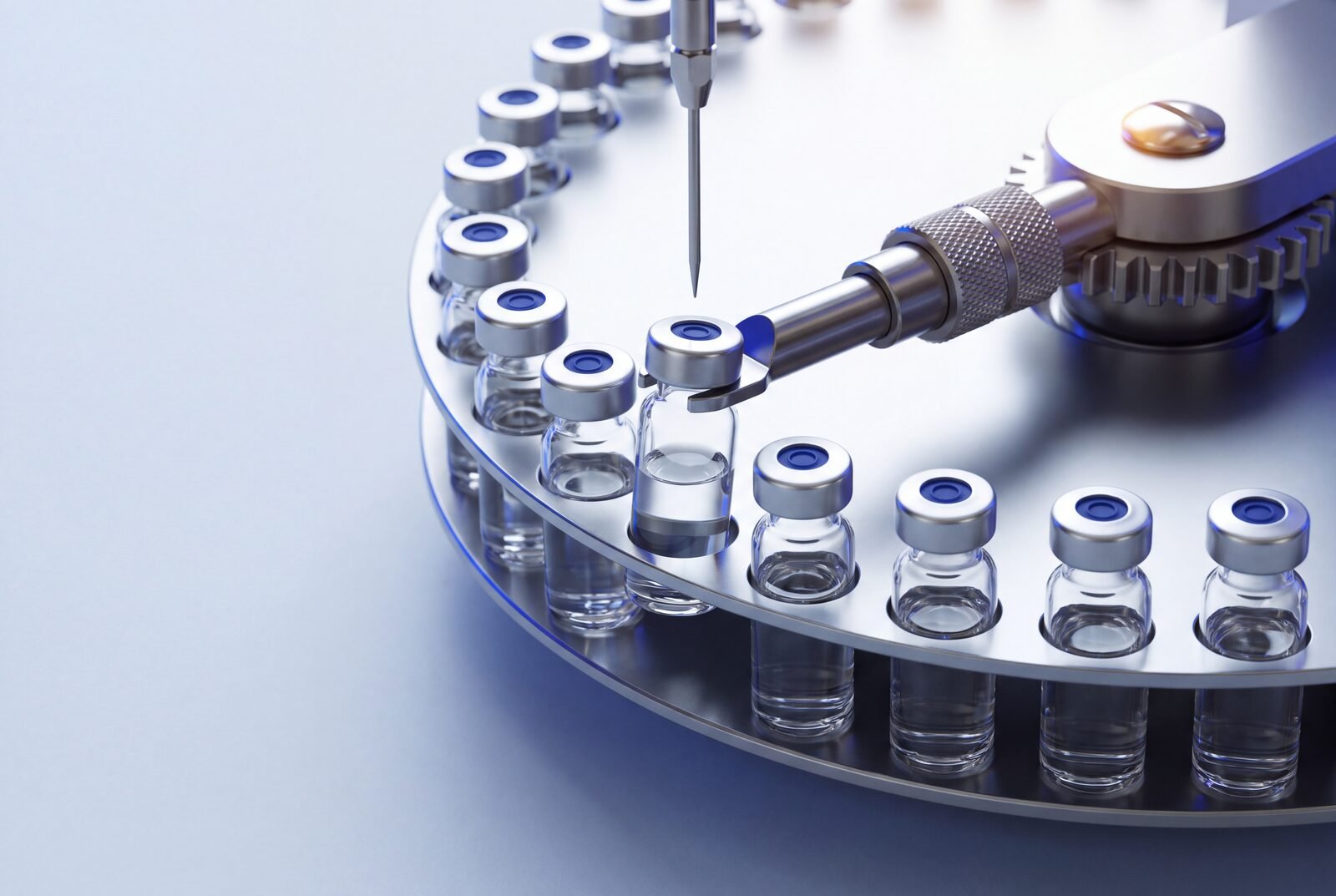
High-Performance Liquid Chromatography separates the sample into its individual components and measures each one. The result is the exact percentage of the labelled compound present in that batch, with every impurity peak accounted for beside it.
What it rules outUnder-strength material, and diluents or synthesis by-products carried through from manufacturing.
 02
02
Identity
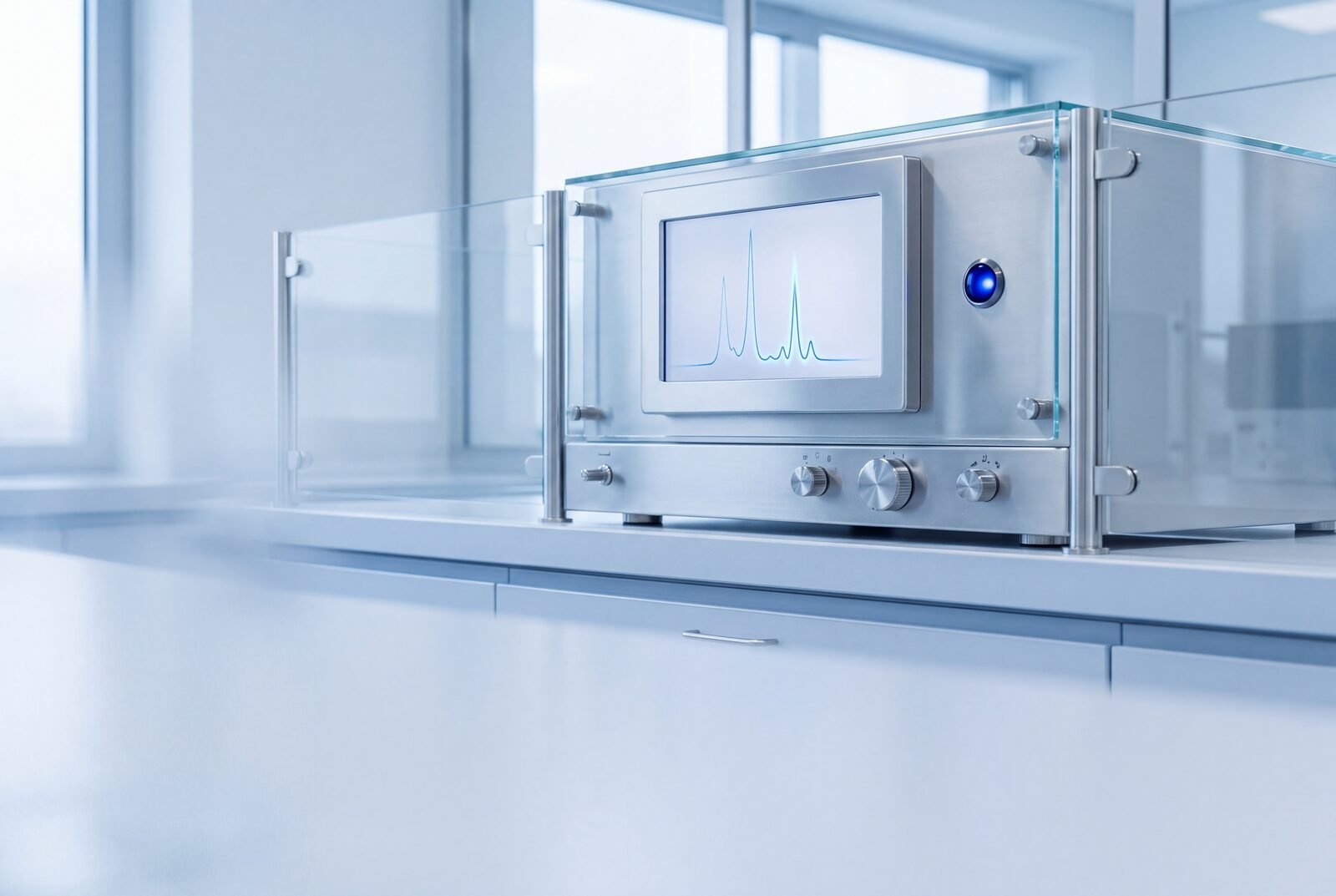
Mass spectrometry weighs the molecule itself and confirms its structure matches the compound named on the label — not a close analogue, not a cheaper peptide with a similar chain, not a different salt form.
What it rules outThe failure a purity test cannot see: a 99% pure batch of the wrong molecule.
 03
03
Sterility
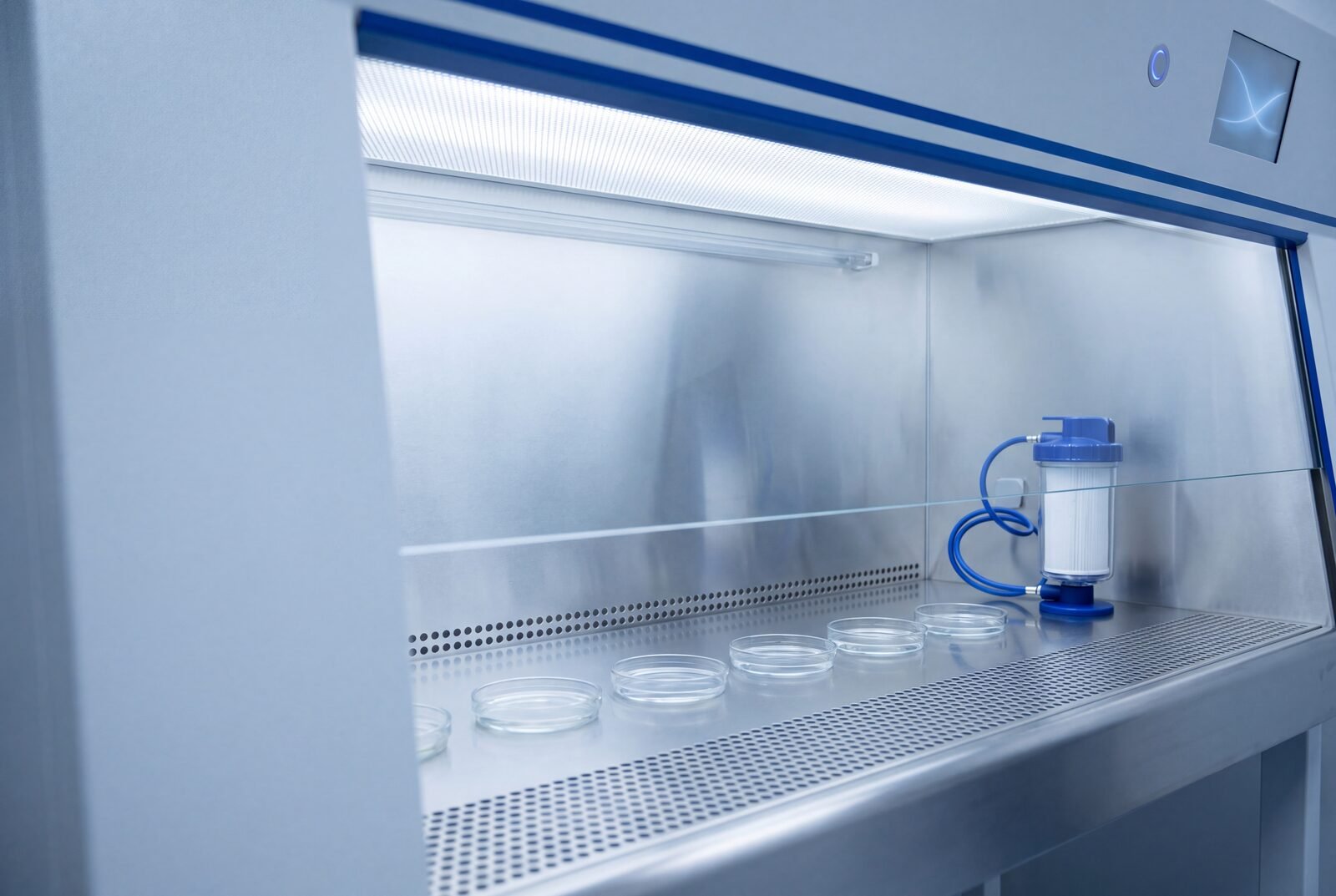
The batch is cultured under the compendial USP <71> protocol — the same standard used in pharmaceutical quality control — and screened for bacterial, fungal and yeast growth across the full incubation period.
What it rules outViable microbial contamination introduced during synthesis, filling or sealing.
 04
04
Endotoxin
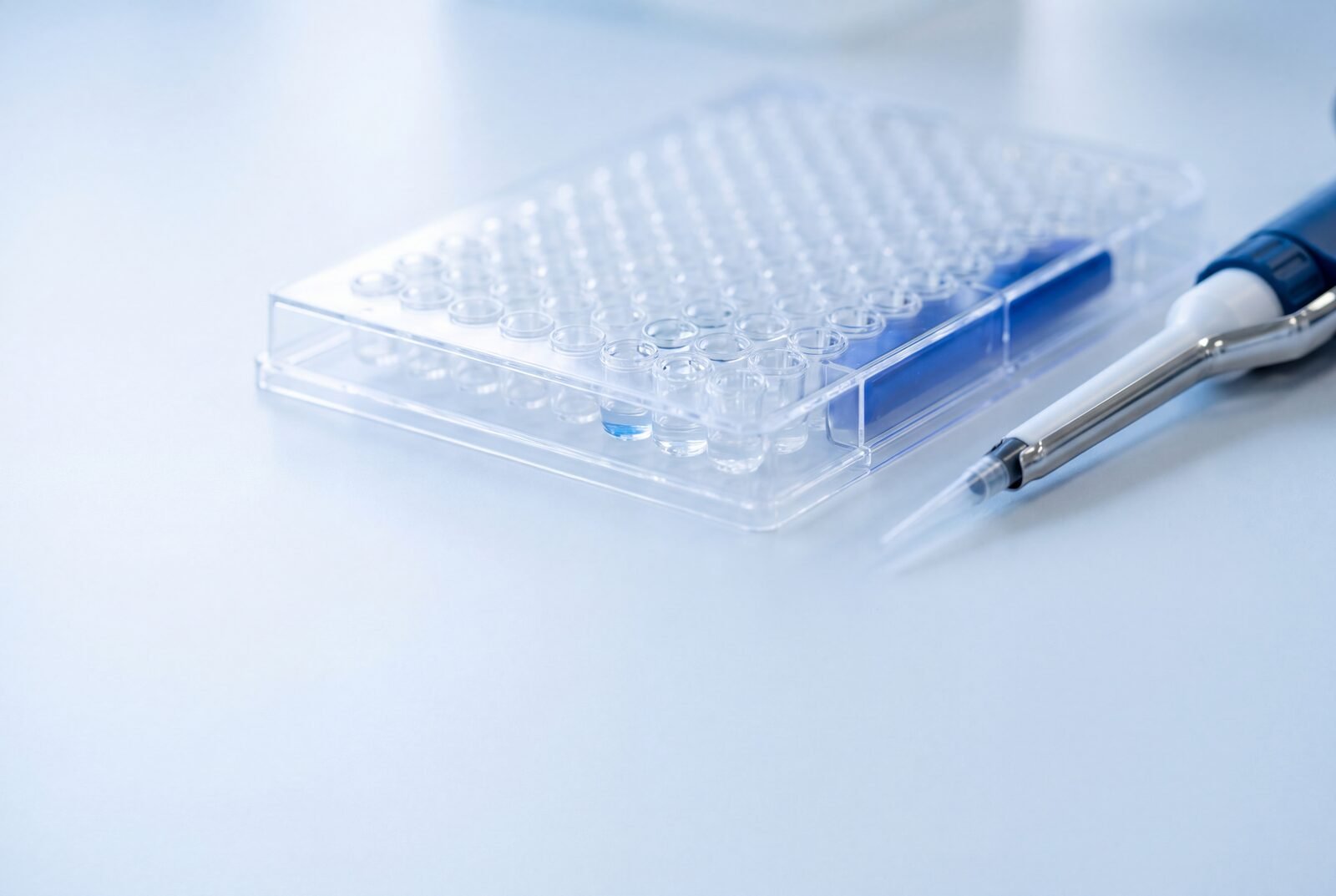
The Limulus Amebocyte Lysate assay detects bacterial endotoxin — the heat-stable fragments left behind by gram-negative bacteria. Endotoxin survives sterilisation, so a batch can be sterile and still carry it.
What it rules outPyrogenic residue that both the purity assay and the sterility culture would pass without comment.
 05
05
Heavy metals
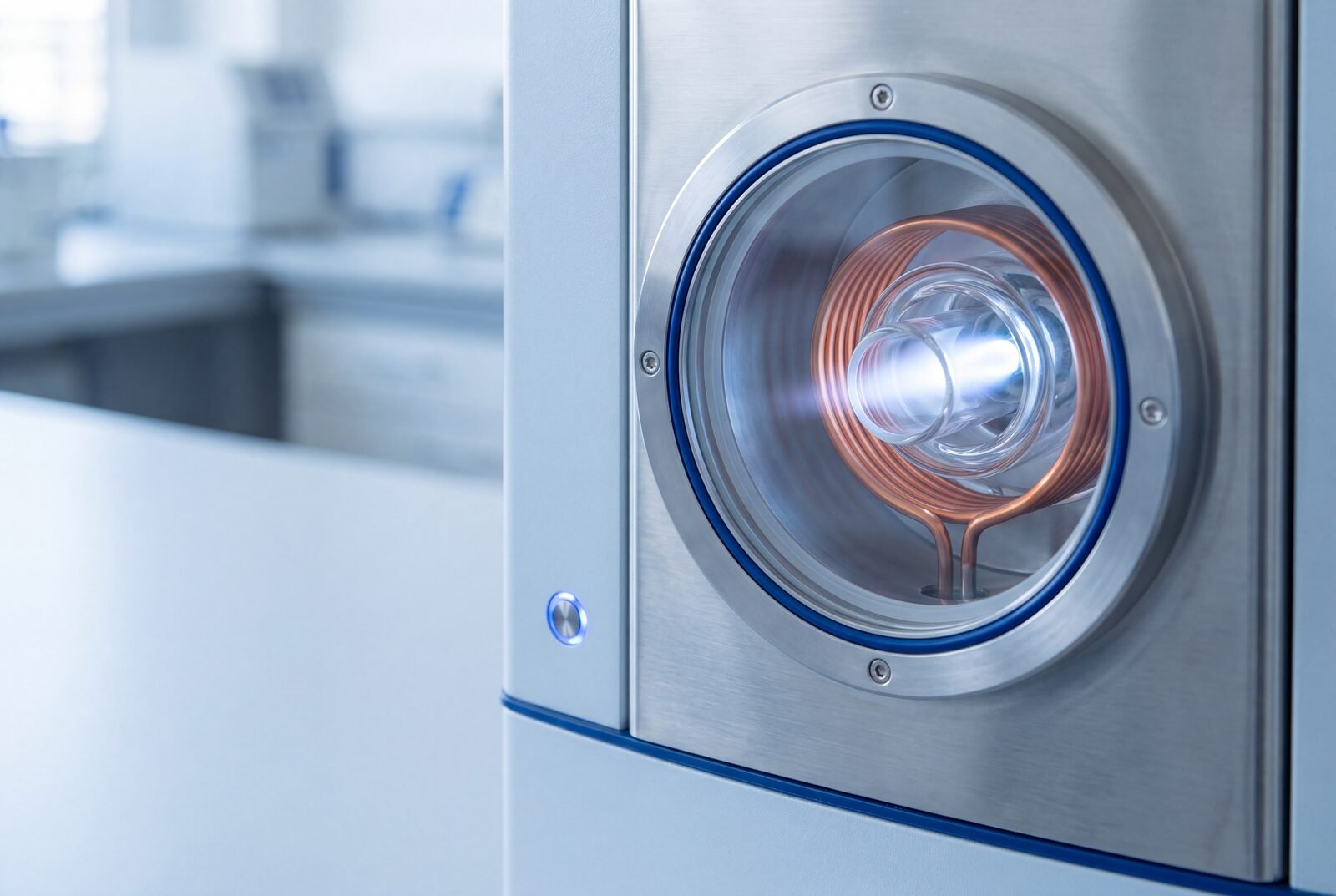
Inductively coupled plasma mass spectrometry ionises the sample at roughly 6,000 °C and counts elemental contaminants directly. Lead, arsenic, cadmium and mercury are screened against USP <232> elemental impurity limits.
What it rules outCatalyst and reagent residue, and contamination picked up from equipment or packaging.
 06
06
Fentanyl screen
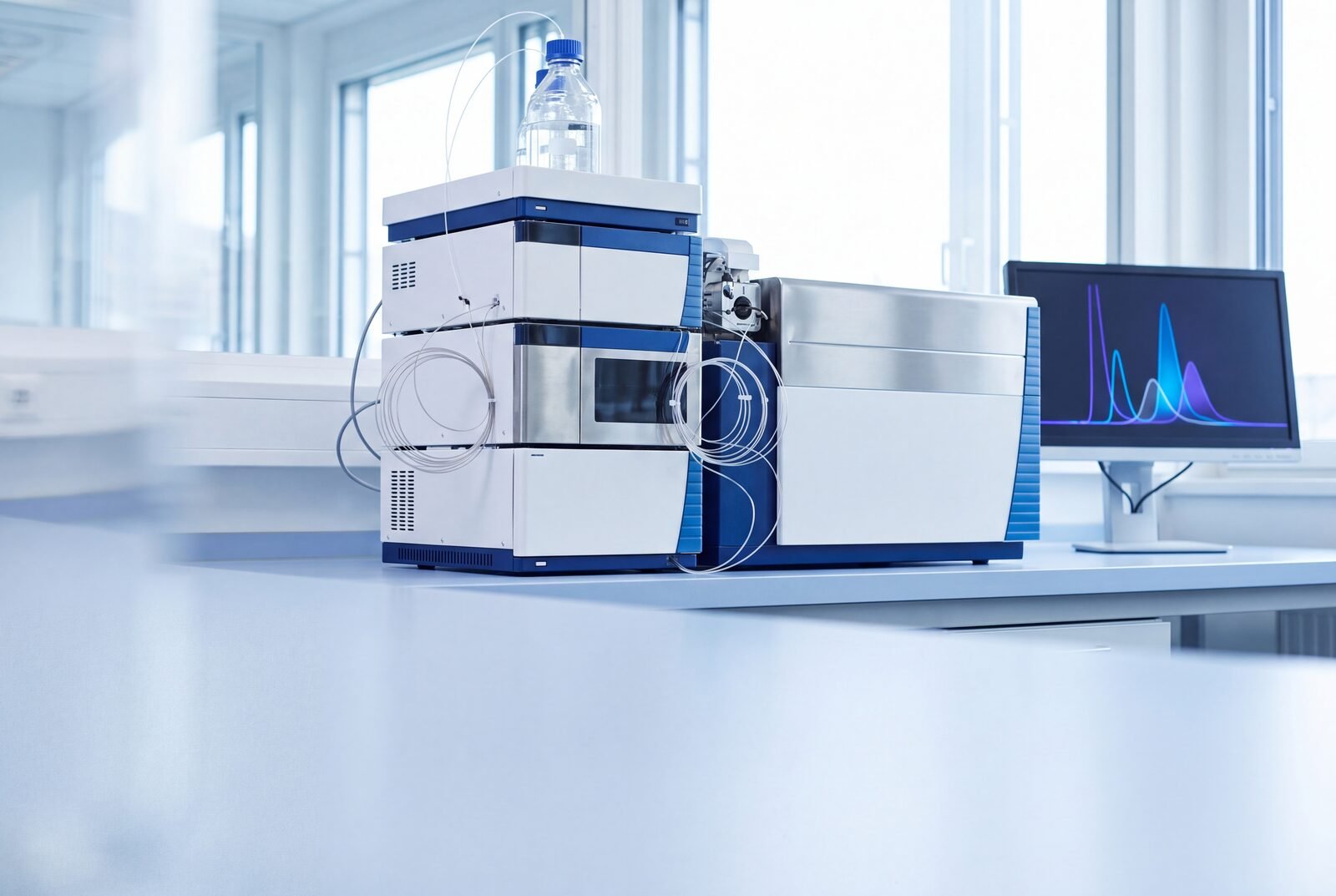
Tandem liquid chromatography–mass spectrometry screens every batch for fentanyl and its analogues at trace concentrations. It is not a test most suppliers in this category run, and it is not optional here.
What it rules outCross-contamination anywhere upstream in the supply chain — the failure mode with no acceptable margin.
 07
07
Net content
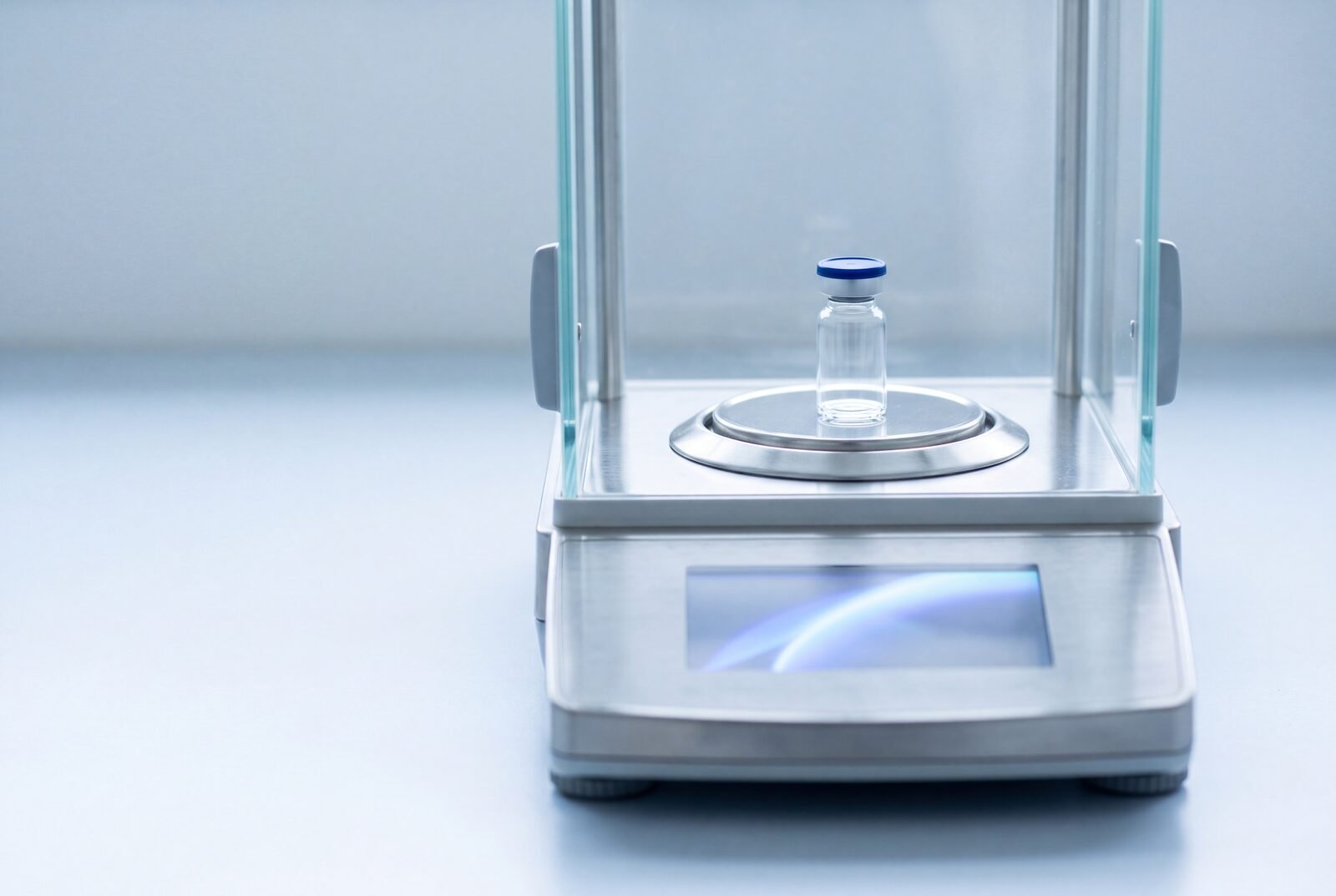
Fill weight is verified gravimetrically on a calibrated analytical balance, so a vial labelled 10 mg contains 10 mg. Purity is a percentage; without net content, a percentage of an unknown quantity tells you nothing usable.
What it rules outShort fill — the quiet variance that makes results across a study impossible to reconcile.
Between the assay and the bench
Handling is part of the result.
A batch that tests clean and then degrades in transit was never really clean when it arrived. Two stages carry that risk, so both are controlled.
Lyophilisation
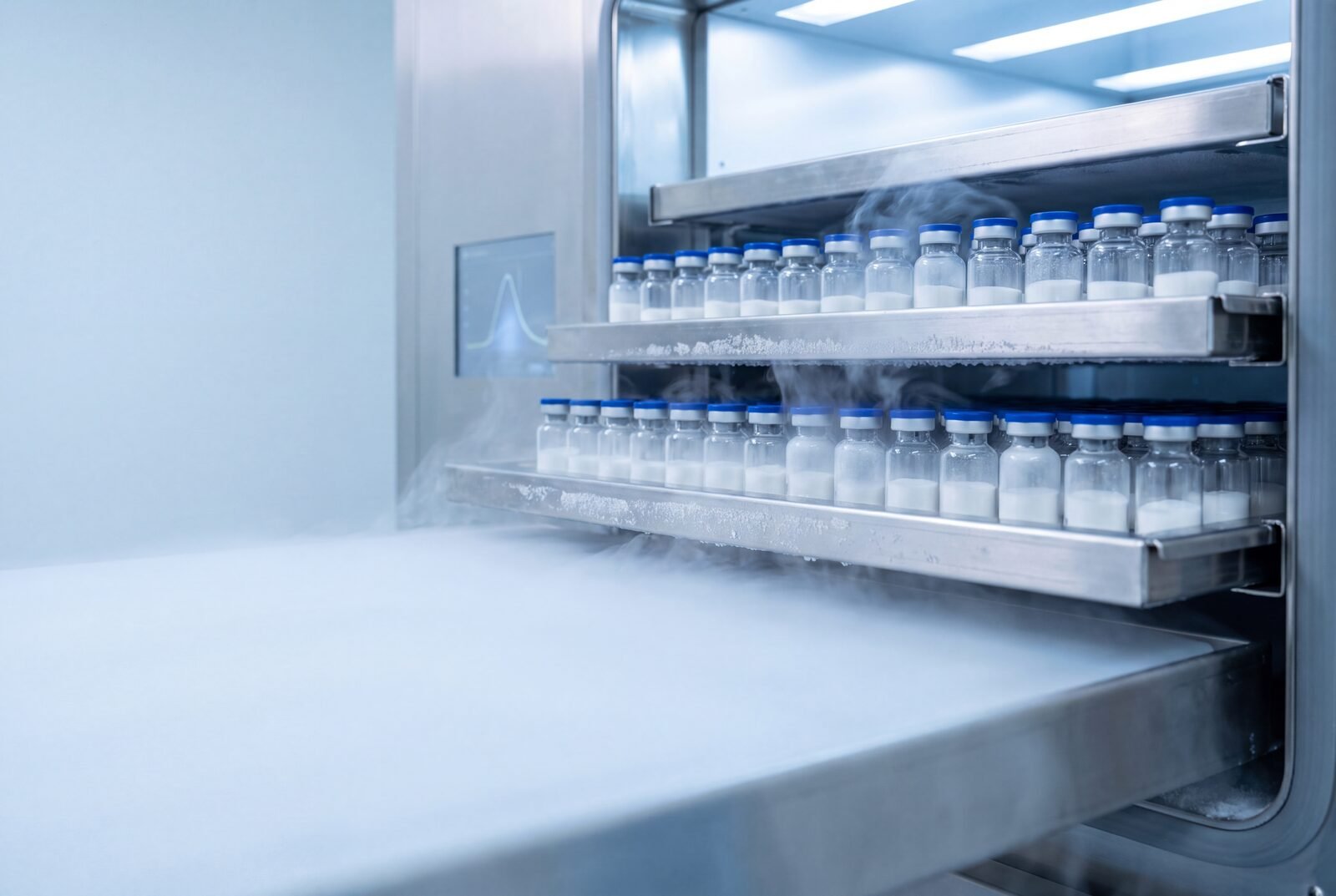
Material is freeze-dried under vacuum into a dry, uniform cake. Removing the water removes the medium that hydrolysis and microbial growth both depend on, which is what makes a peptide stable at ambient temperature long enough to reach you intact.
Cold-chain dispatch
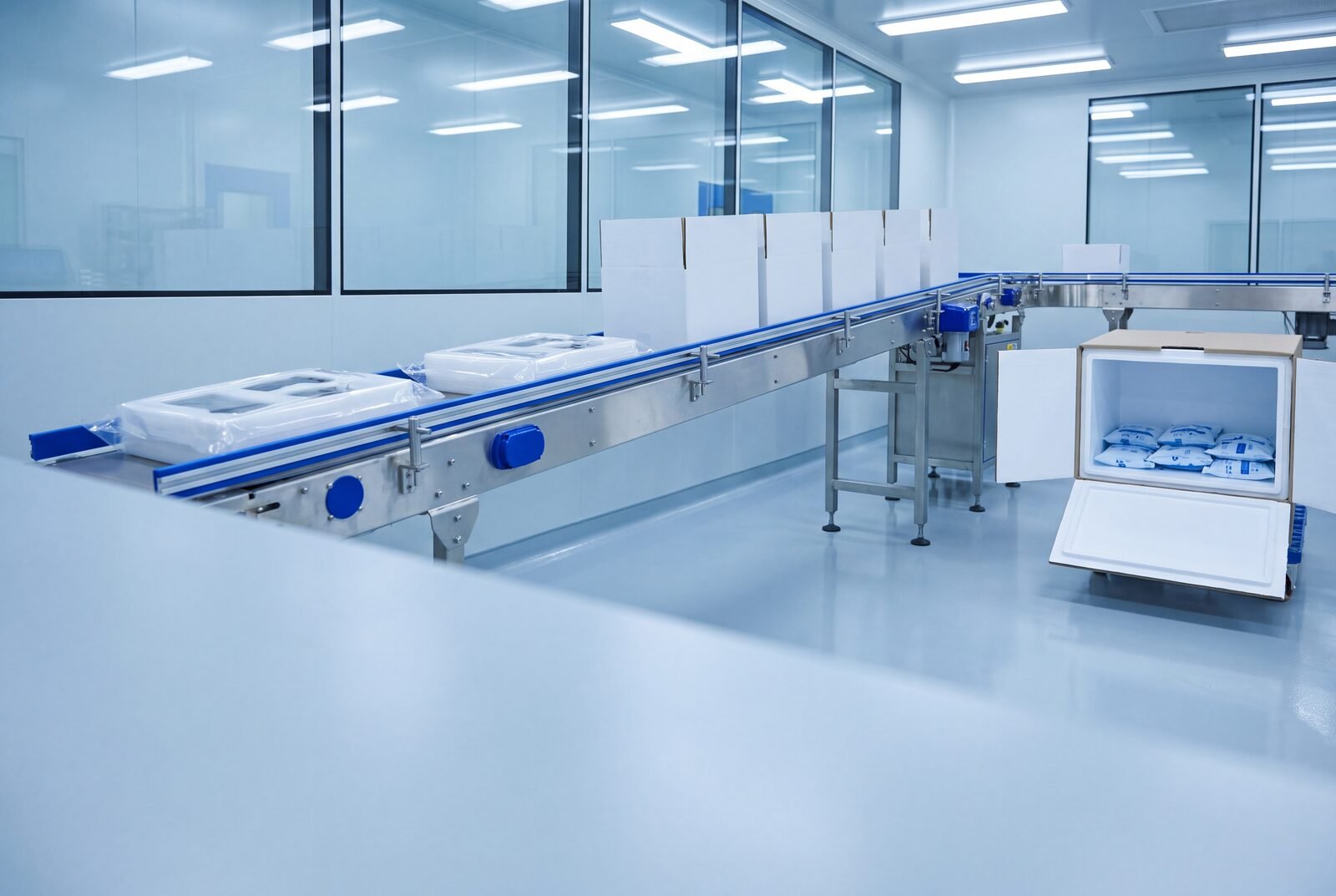
Orders are picked and packed in a controlled facility and dispatched in insulated shippers with gel packs. Vials travel sealed, protected from light and shock, and the batch that was certified is the batch that lands on your bench.
Transparency by default
Read the certificates yourself.
Every Certificate of Analysis is a signed report from an independent accredited laboratory, listing the measured value for all seven parameters — searchable by compound and by batch number. If a COA ever differs from what you receive, our guarantee refunds you five times over.
The catalog
Every compound, documented.
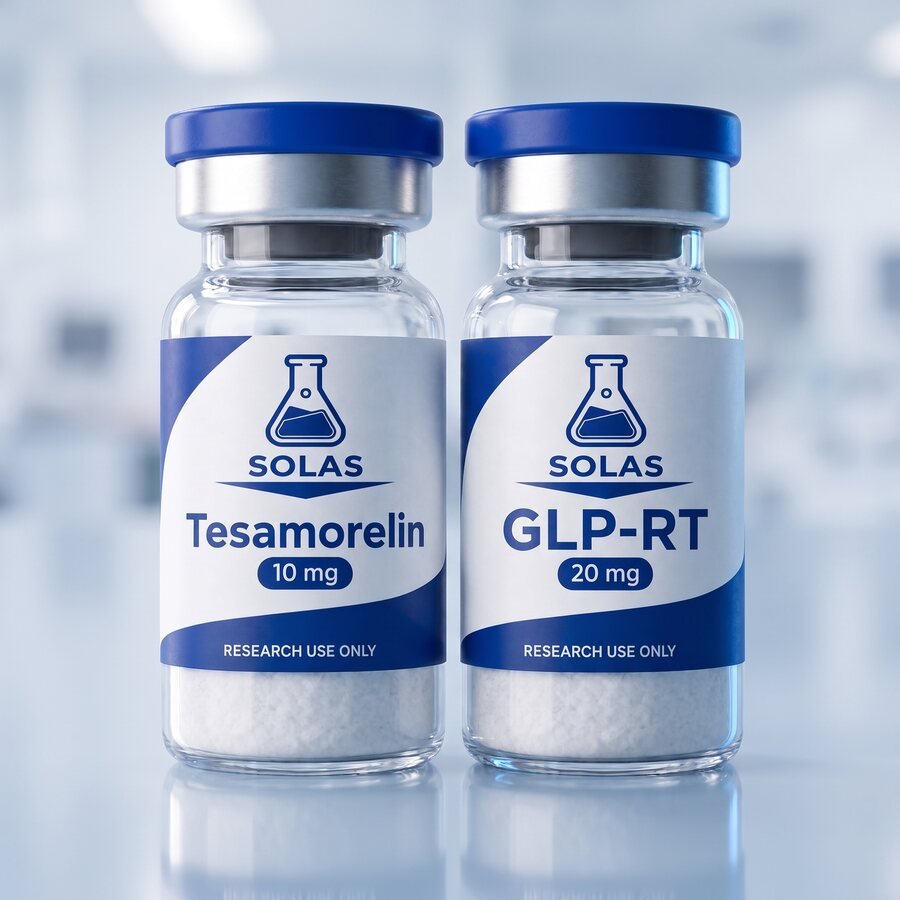
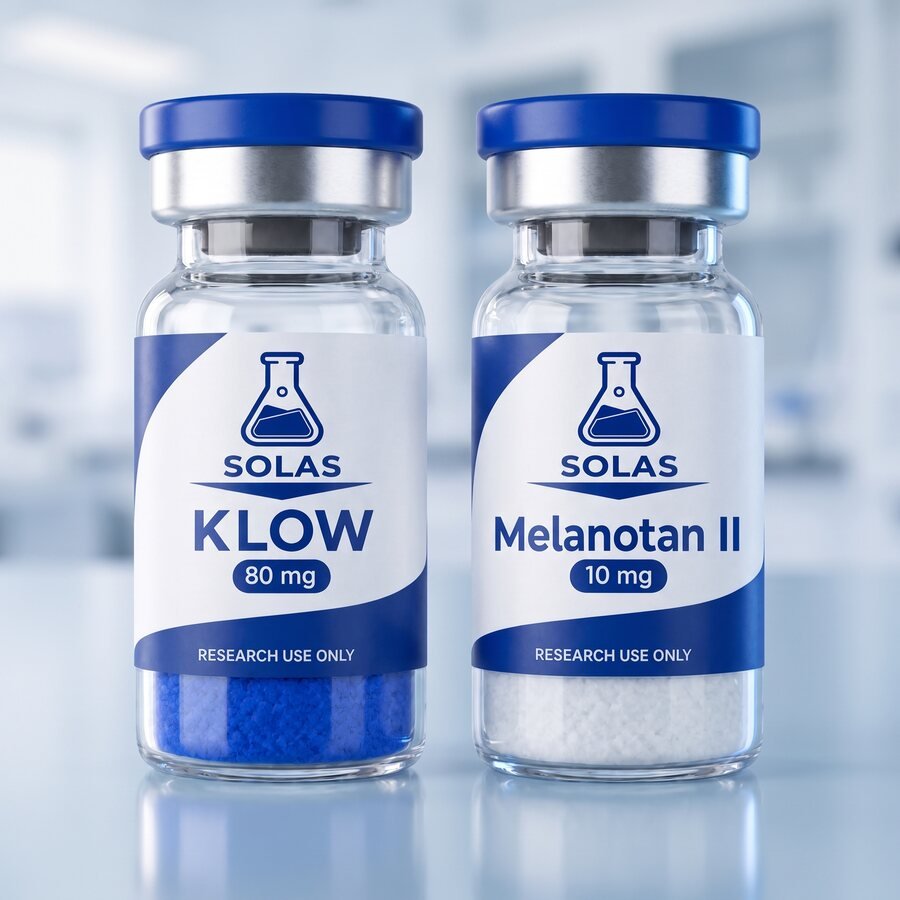
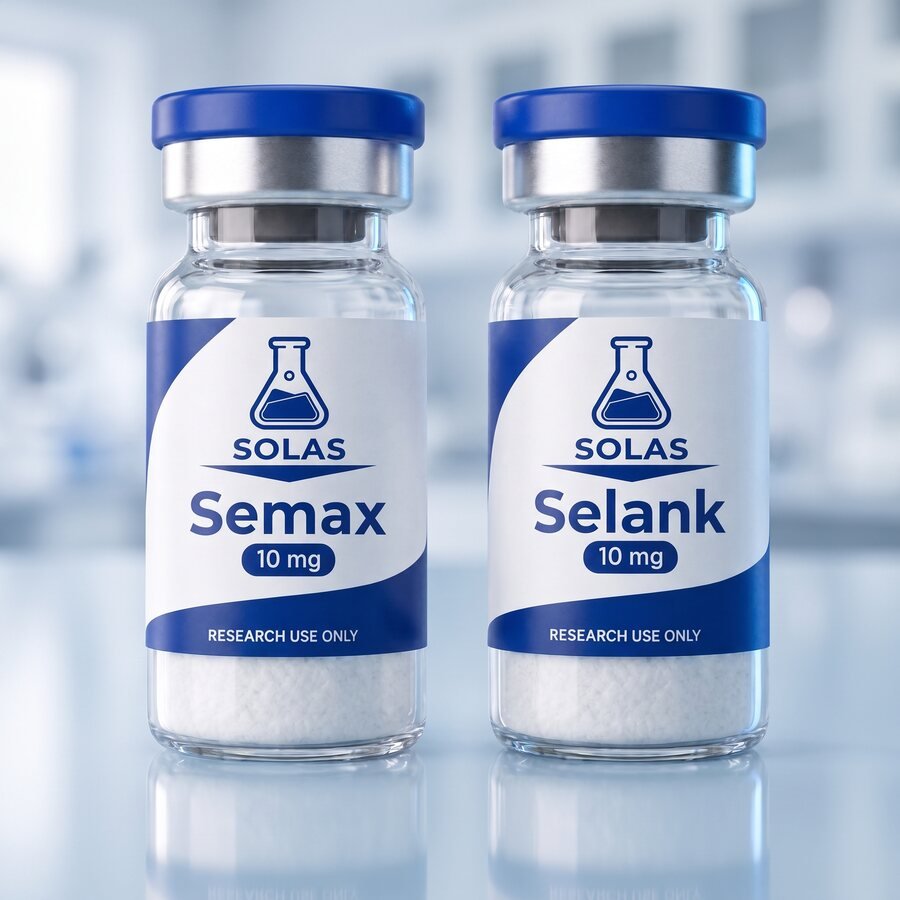
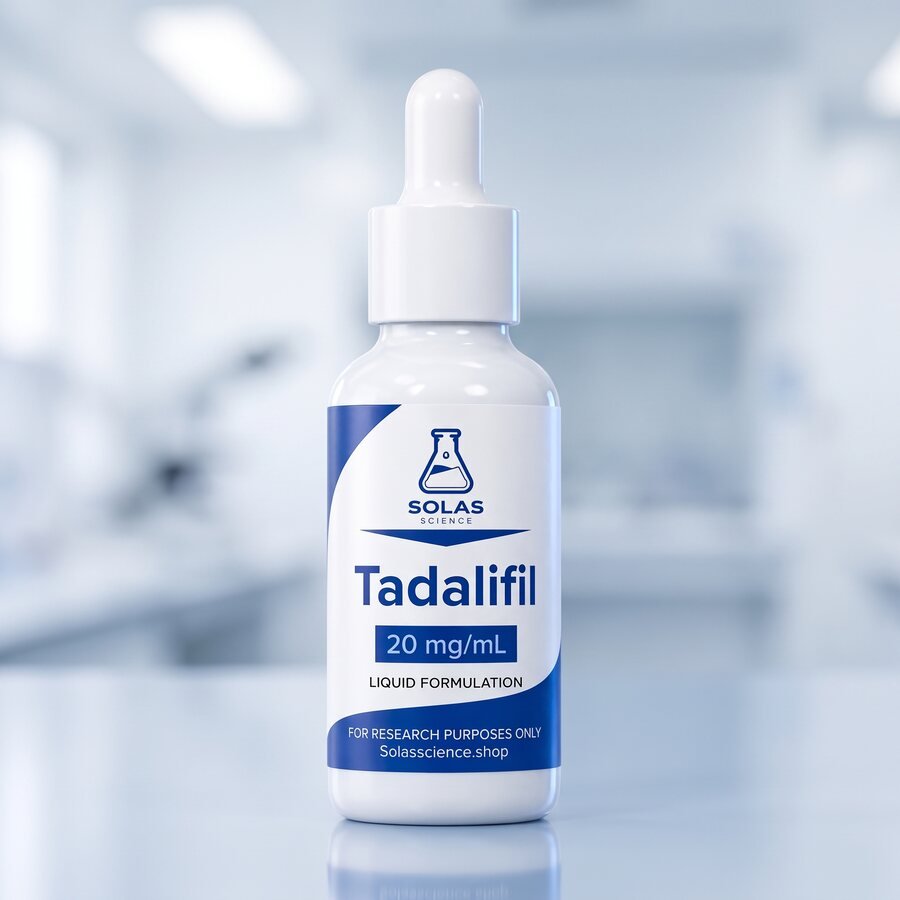
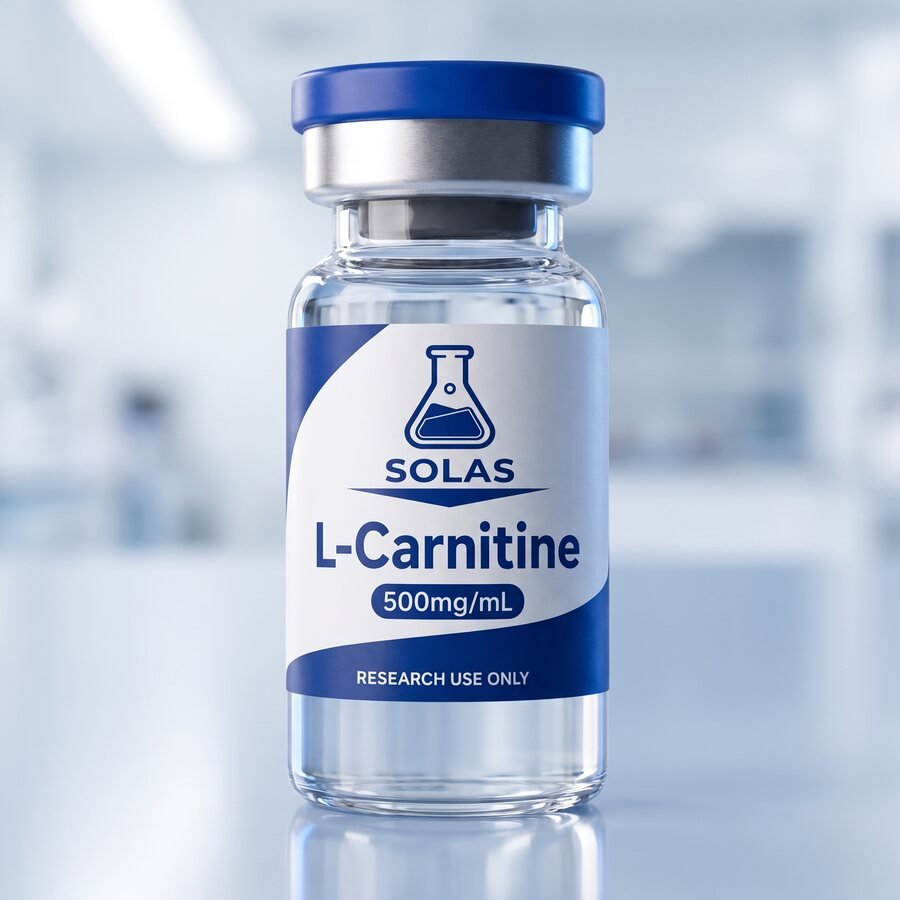
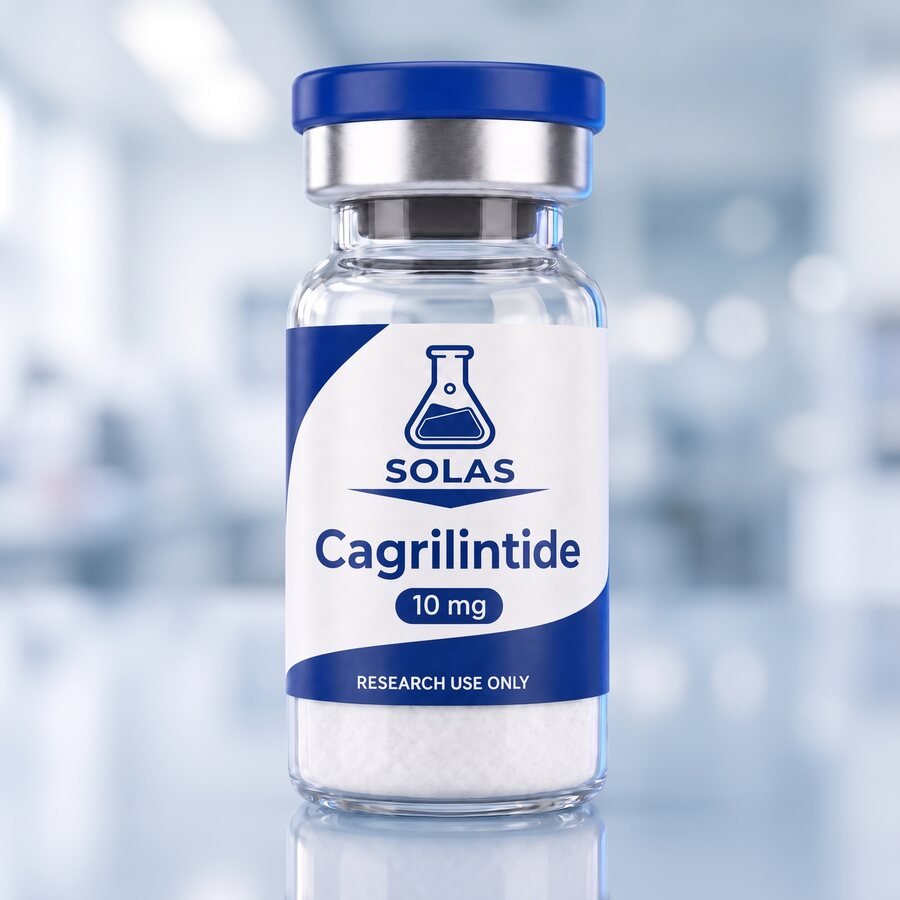
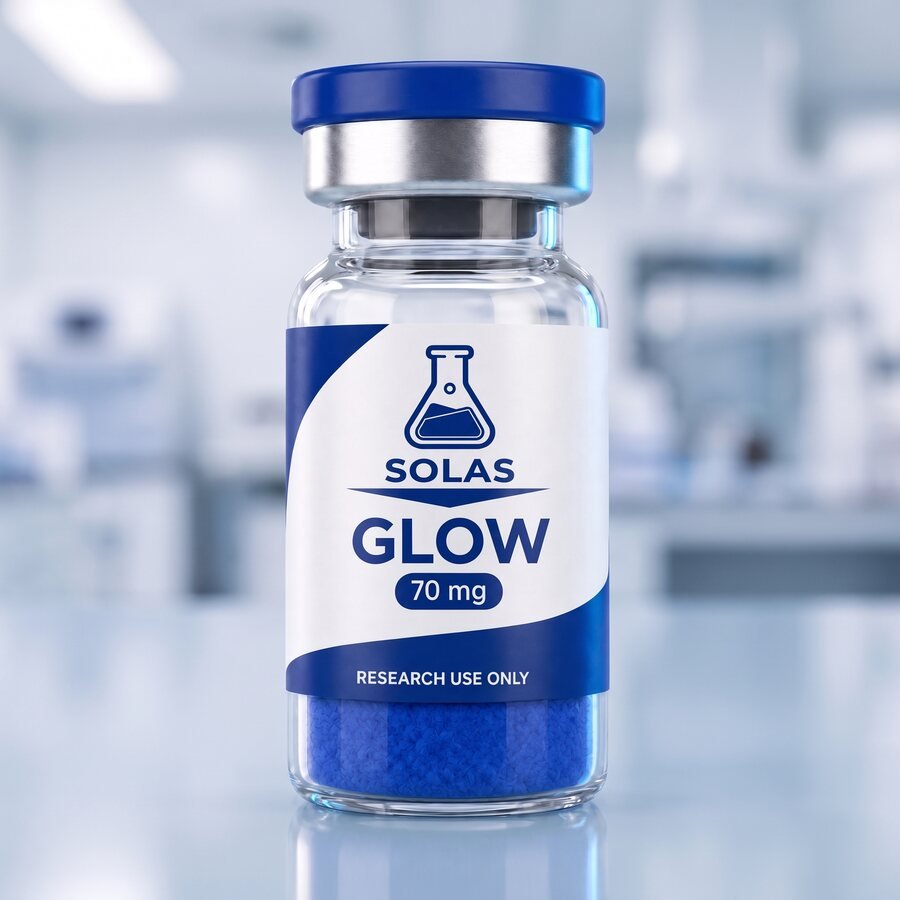
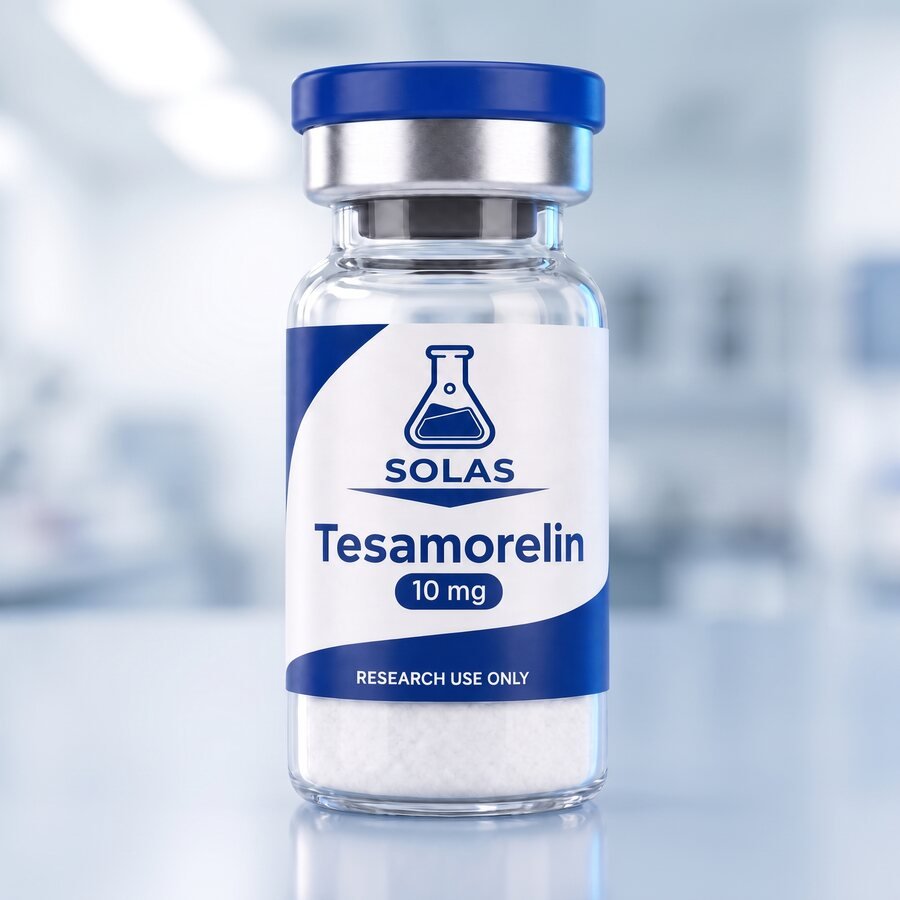
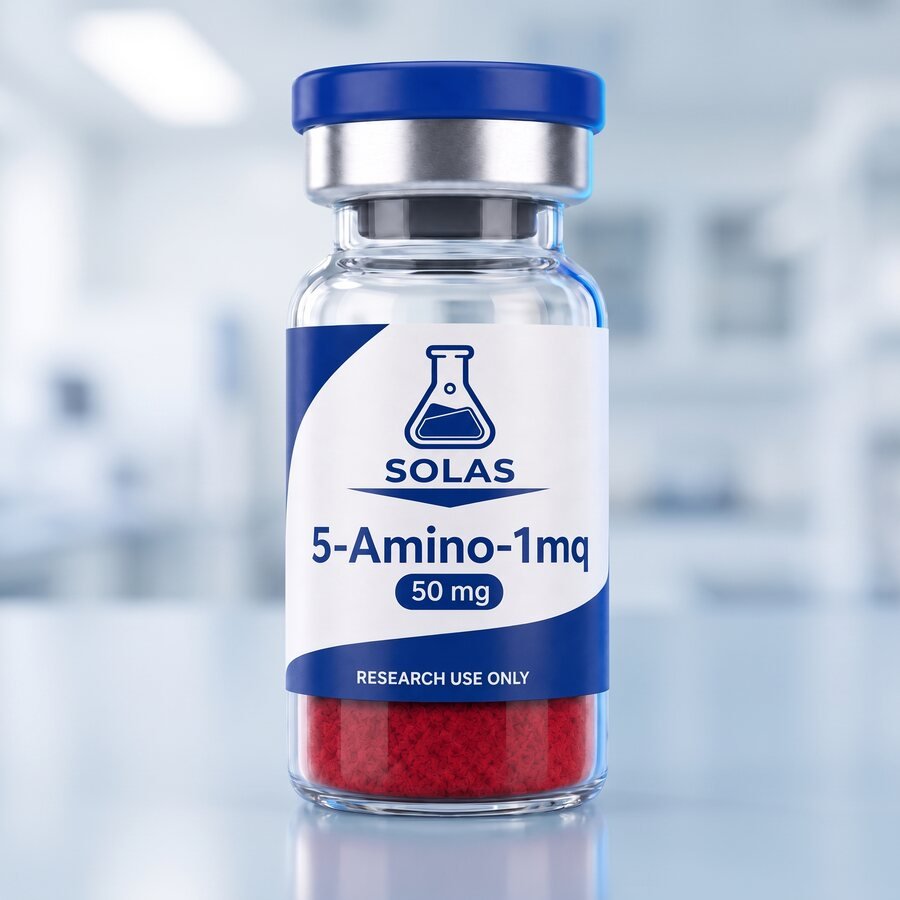
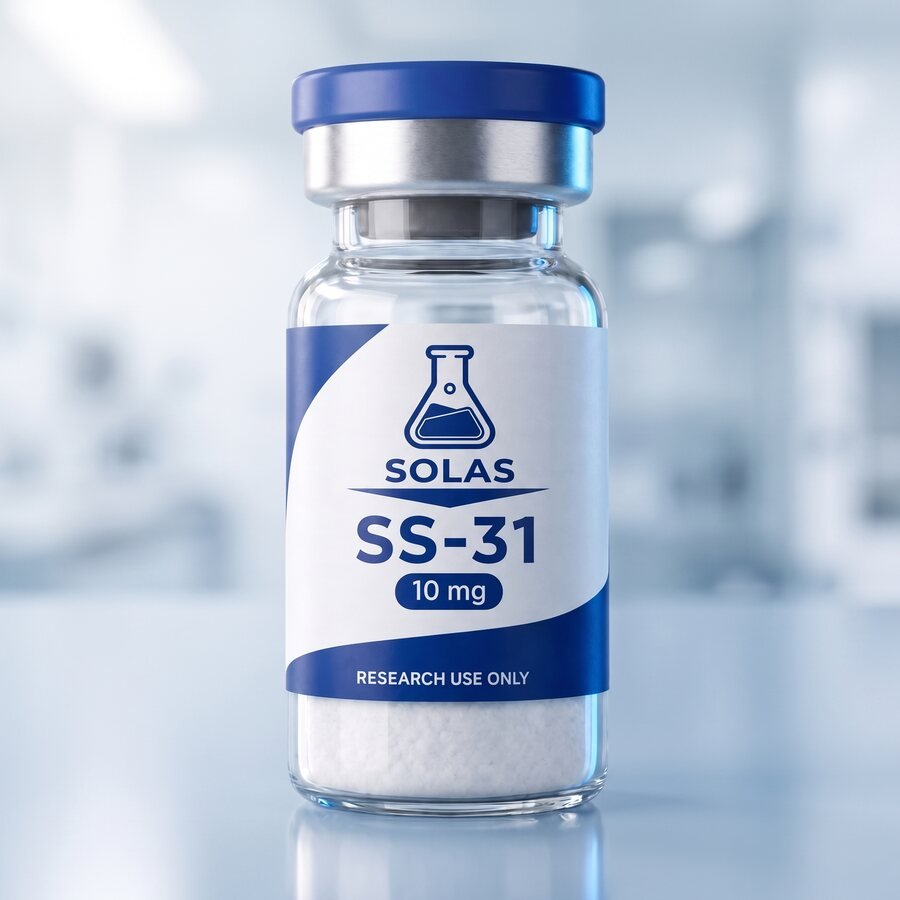
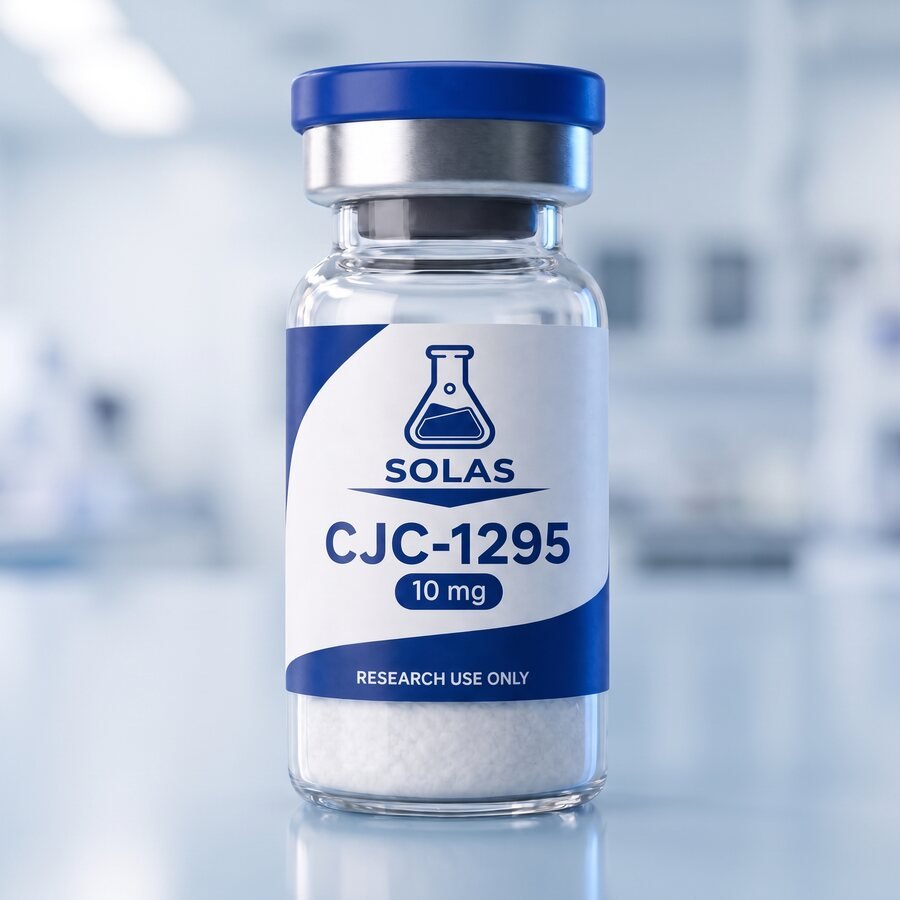
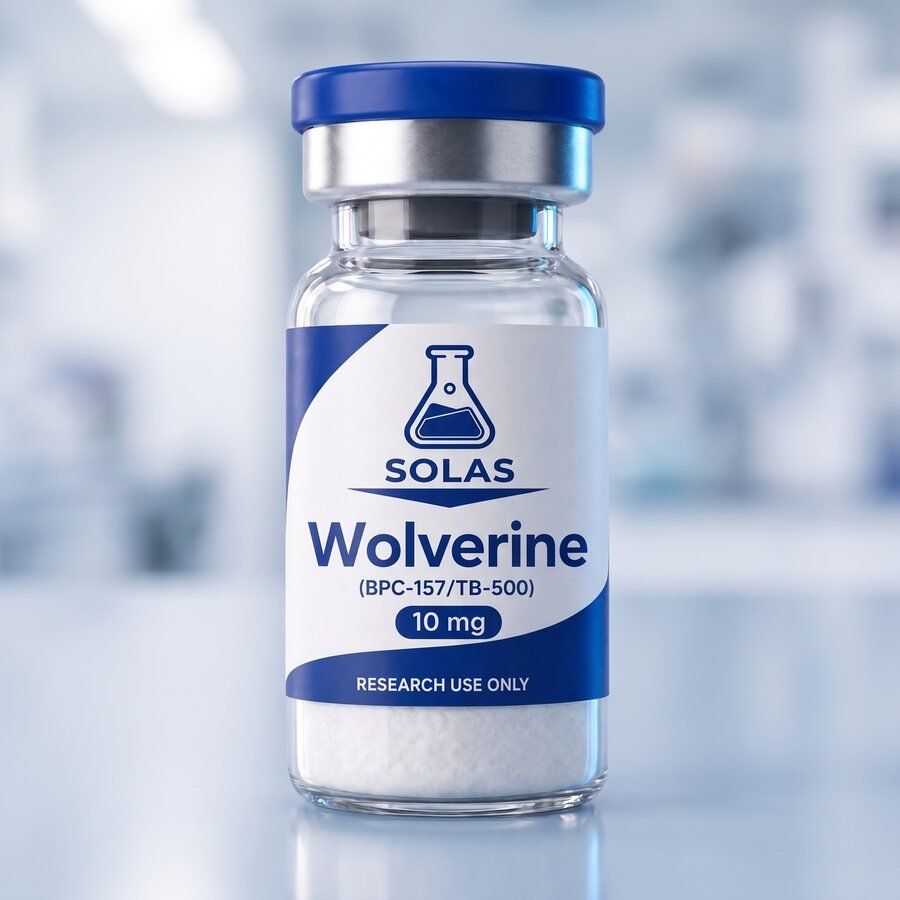
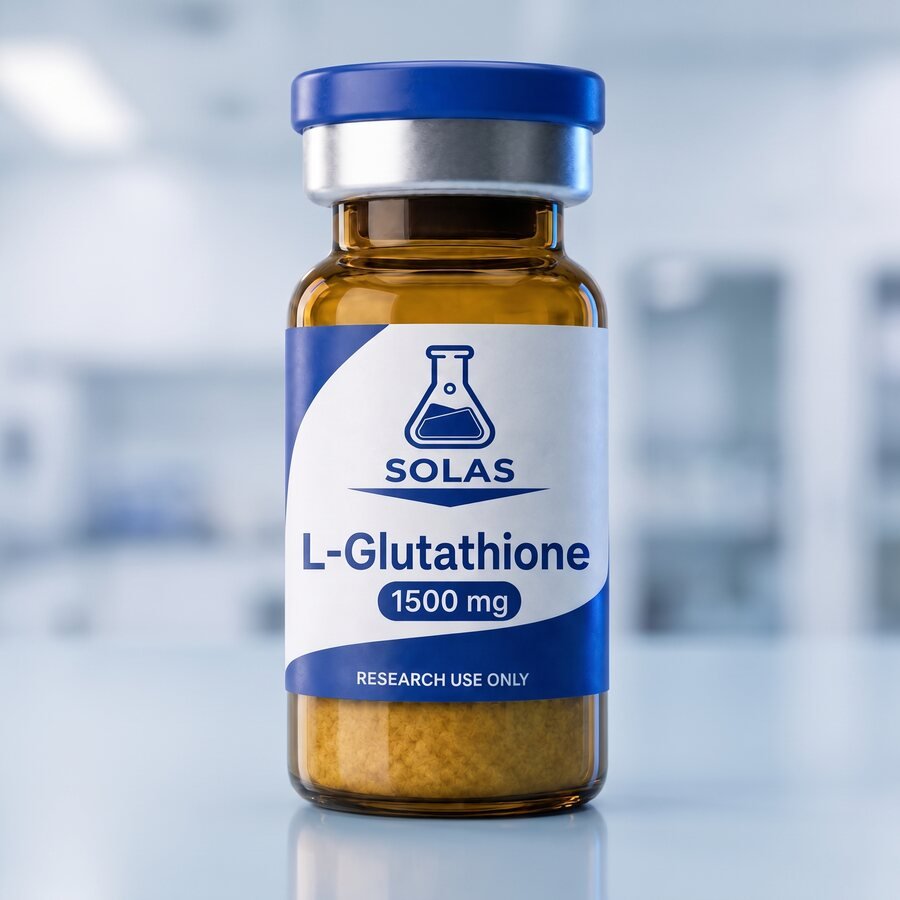
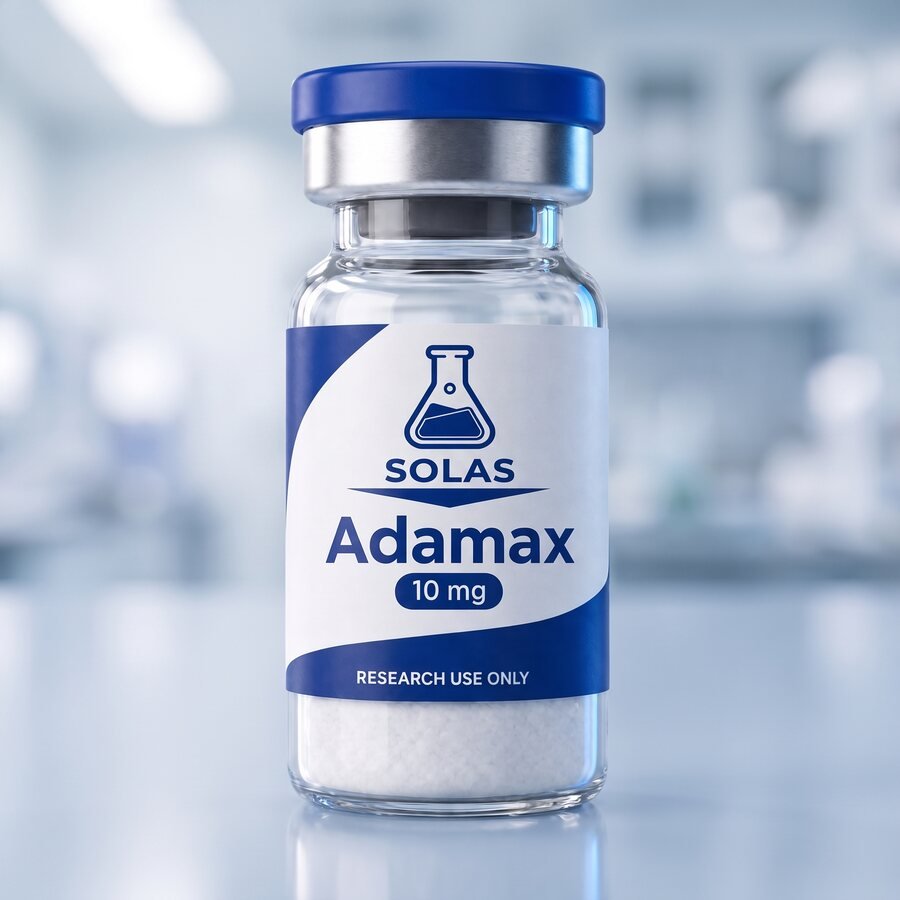
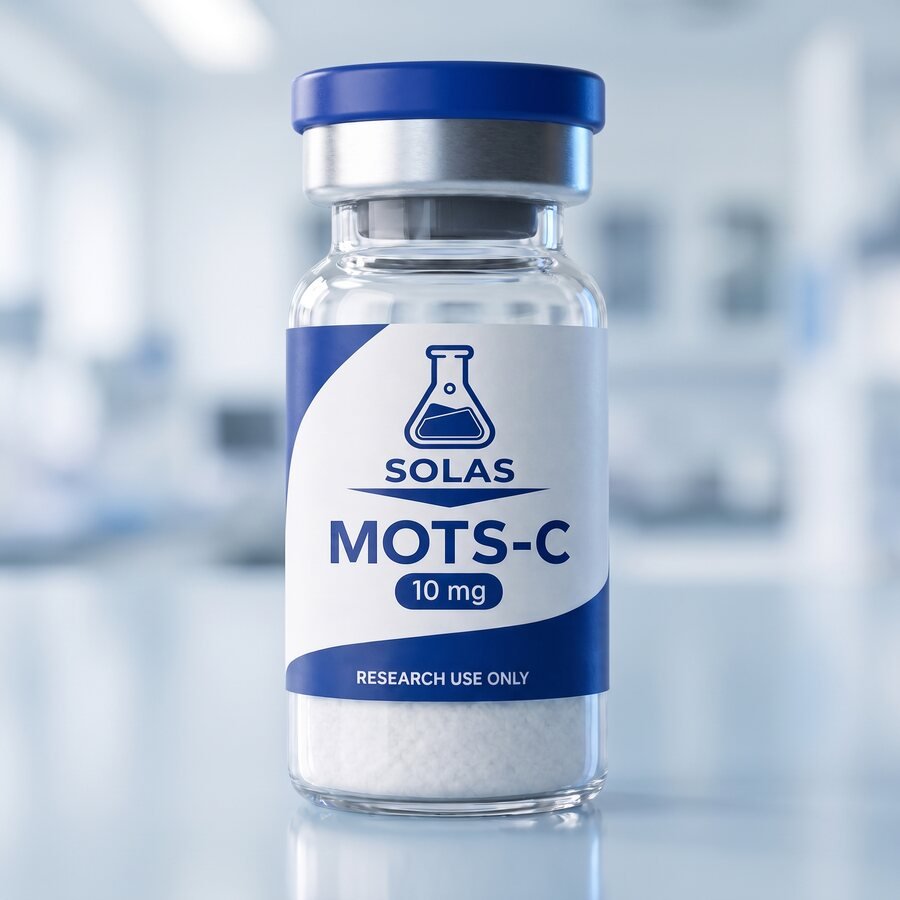
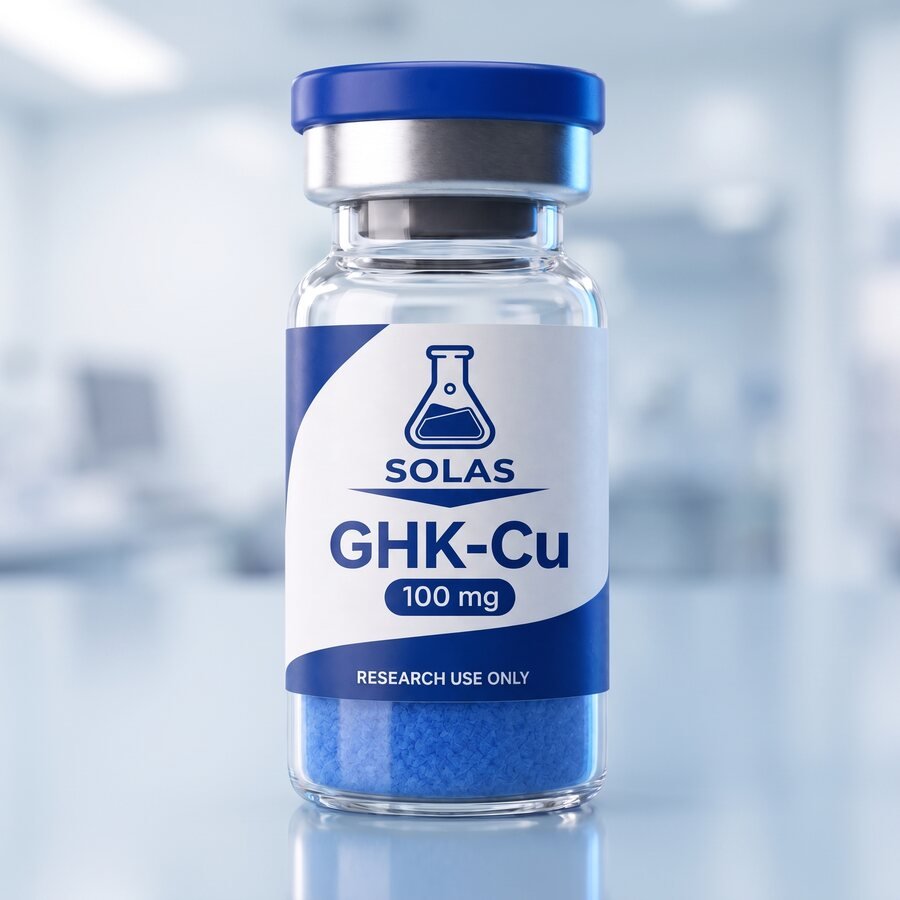
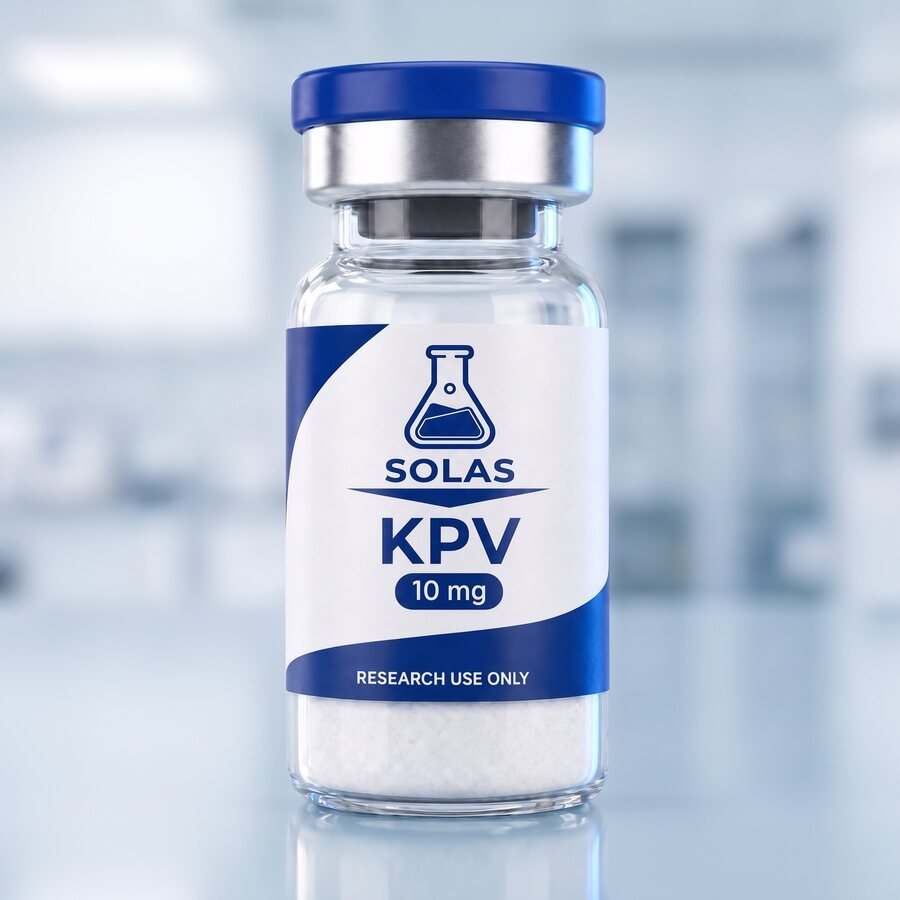
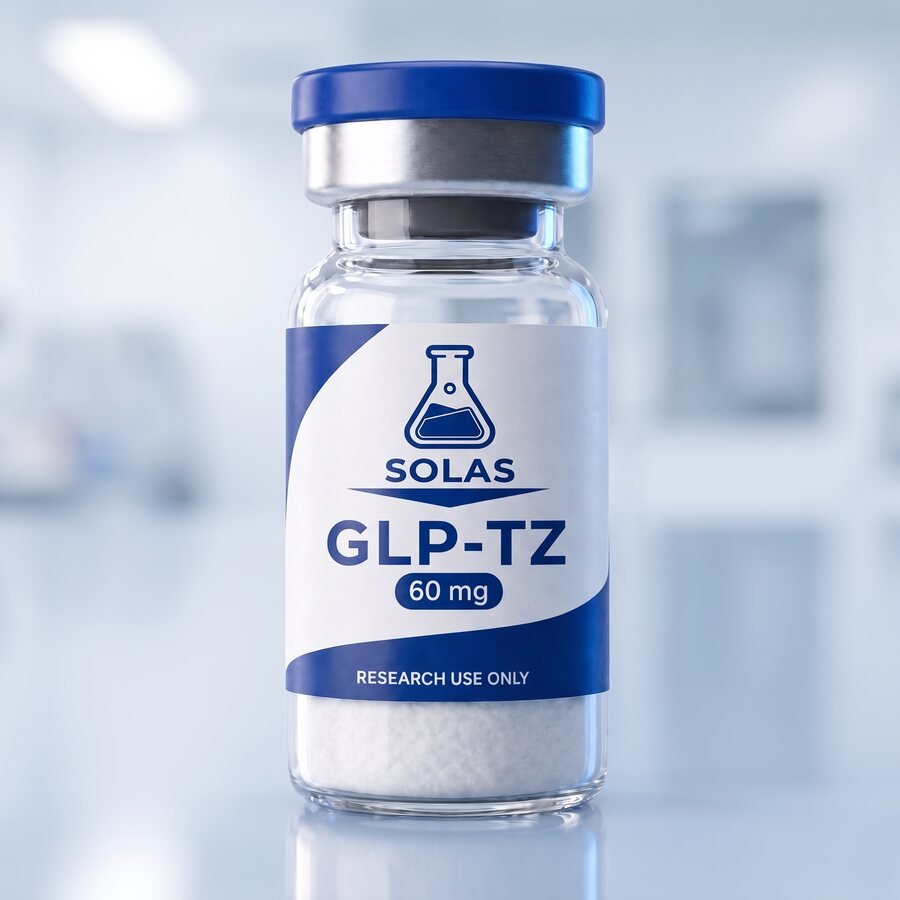
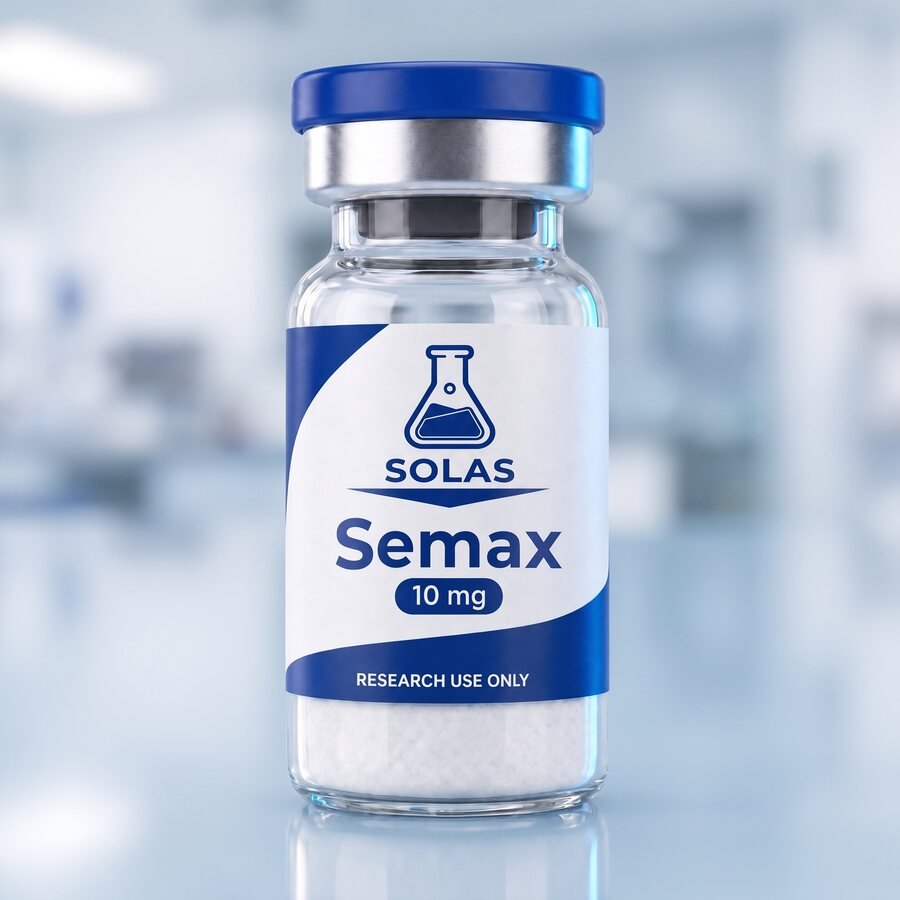
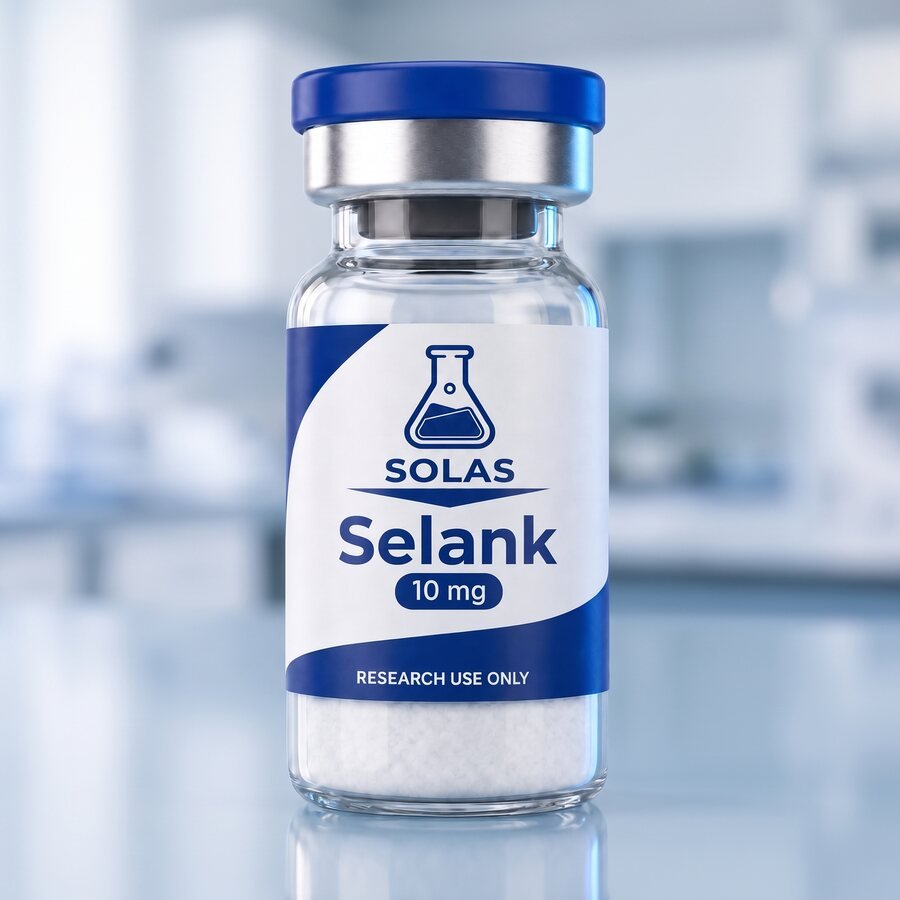
For research use only. All products supplied by Solas Science are intended strictly for laboratory research purposes. They are not drugs, foods, cosmetics or medical devices, and they are not intended to diagnose, treat, cure or prevent any disease. They are not for human or veterinary consumption or administration. Purchasers confirm they are qualified researchers and accept full responsibility for the safe and lawful handling of all materials.