Frequently Asked Questions
What is L-carnitine?
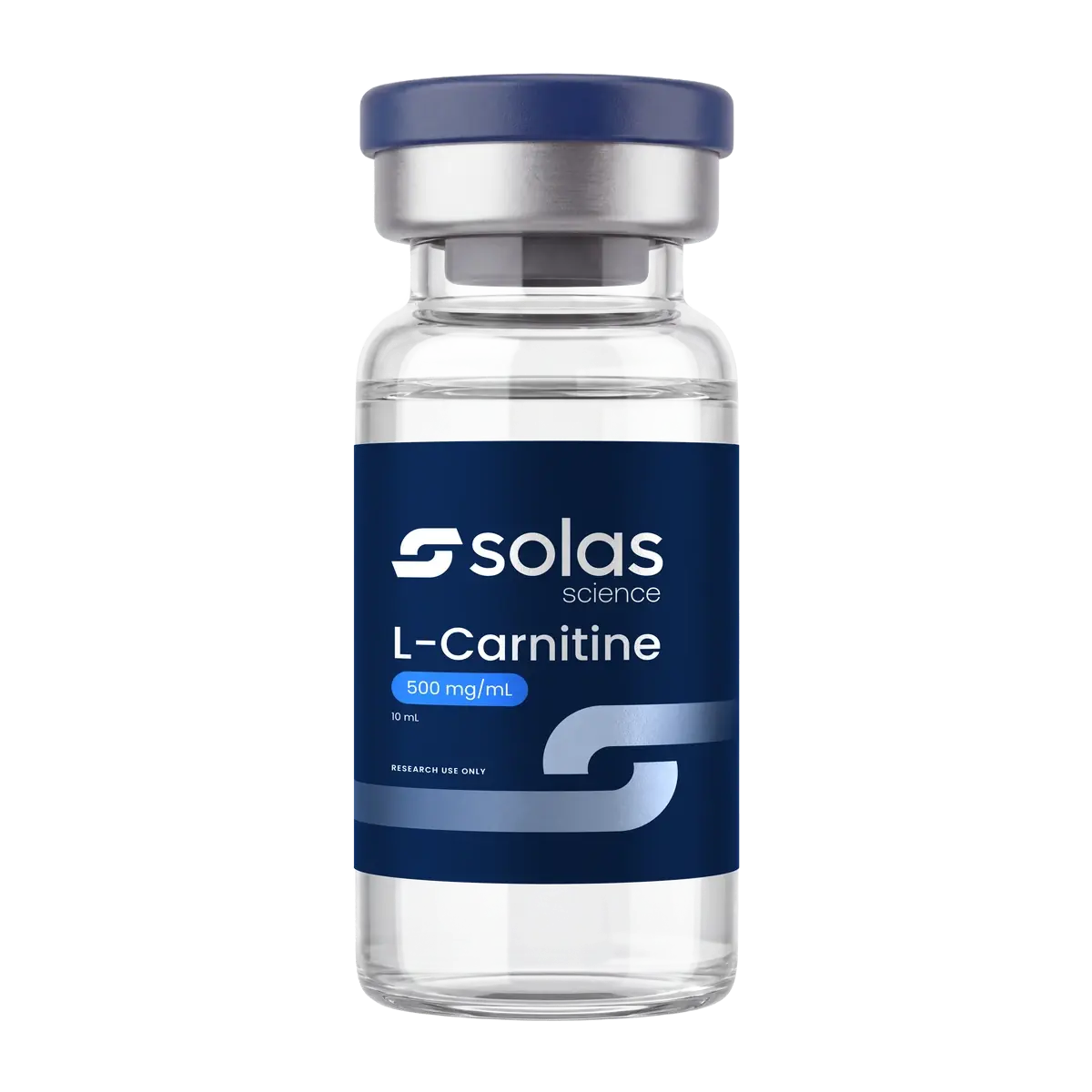
L-carnitine is a naturally occurring compound involved in transporting long-chain fatty acids into mitochondria, where they can be used in energy production.
How does L-carnitine work in the body?
L-carnitine helps move long-chain fatty acids into mitochondria for beta-oxidation. This process supports the body's normal energy metabolism.
Is L-carnitine an amino acid?
L-carnitine is derived from the amino acids lysine and methionine, but it is not itself classified as a protein-building amino acid.
What is the role of L-carnitine in mitochondrial function?
L-carnitine supports the transport of fatty acids into mitochondria, where they can be broken down to help produce cellular energy.
Is L-carnitine being researched for weight management?
Yes. Clinical studies have examined L-carnitine supplementation for weight management, but results are mixed and any average effect appears modest. It is not a guaranteed weight-loss solution.
Does L-carnitine improve athletic performance?
Research findings on athletic performance are mixed. Some studies report changes in selected exercise measures, while others find no meaningful improvement.
What is the difference between L-carnitine and acetyl-L-carnitine?
Both are forms of carnitine, but they have different chemical structures and research applications. Findings for one form should not automatically be applied to the other.
Which foods naturally contain L-carnitine?
Red meat is a major dietary source. Fish, poultry, and dairy products also contain carnitine, while most plant foods contain comparatively small amounts.
Does the body produce L-carnitine naturally?
Yes. The body can synthesize carnitine from lysine and methionine, primarily in the liver and kidneys. Most healthy people can produce enough to meet their needs.
Is L-carnitine supplementation necessary for everyone?
No. Healthy people generally produce sufficient carnitine. Supplementation may be considered in specific clinical circumstances, such as documented carnitine deficiency, under professional guidance.
What side effects can L-carnitine supplements cause?
Reported side effects include nausea, vomiting, abdominal cramps, diarrhea, and a fishy body odor, particularly at higher supplemental intakes.
Can L-carnitine interact with medications?
Yes. Some medications, including certain anticonvulsants and antibiotics, can affect carnitine levels. People taking medication should consult a qualified healthcare professional about possible interactions.
What is the relationship between L-carnitine and TMAO?
Gut bacteria can convert some carnitine into trimethylamine, which the body converts into TMAO. The clinical implications of this pathway are still being studied, including possible links with cardiovascular risk.
What product information should buyers check for L-carnitine?
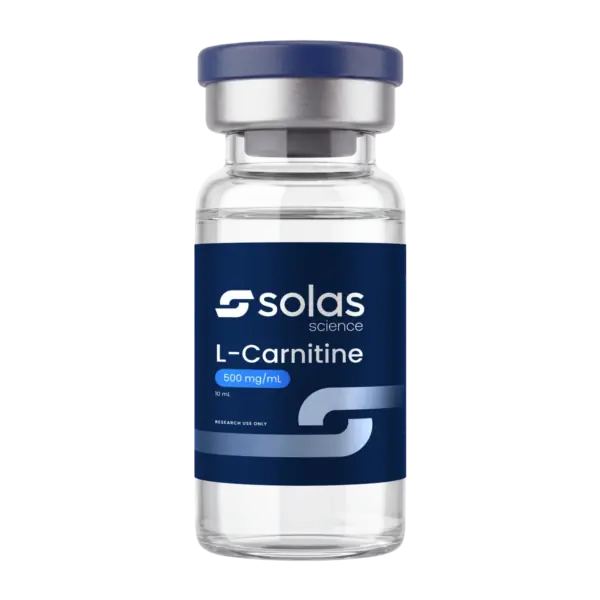
Verify the form of carnitine, labeled quantity, product format, ingredients, storage details where provided, and available quality documentation. Do not assume a capsule, liquid, or injectable formulation from the product name alone.
How can L-carnitine product quality be assessed?
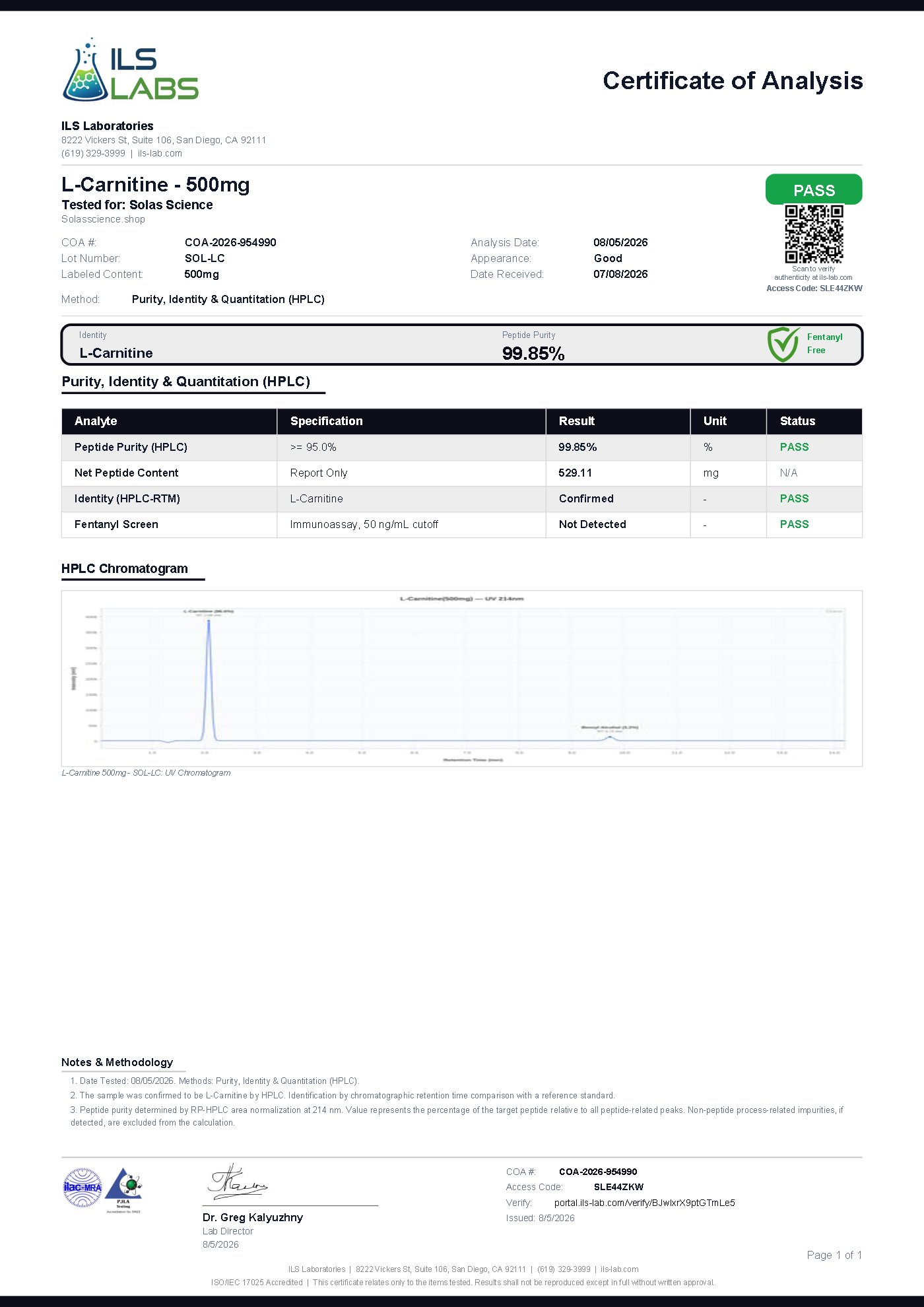
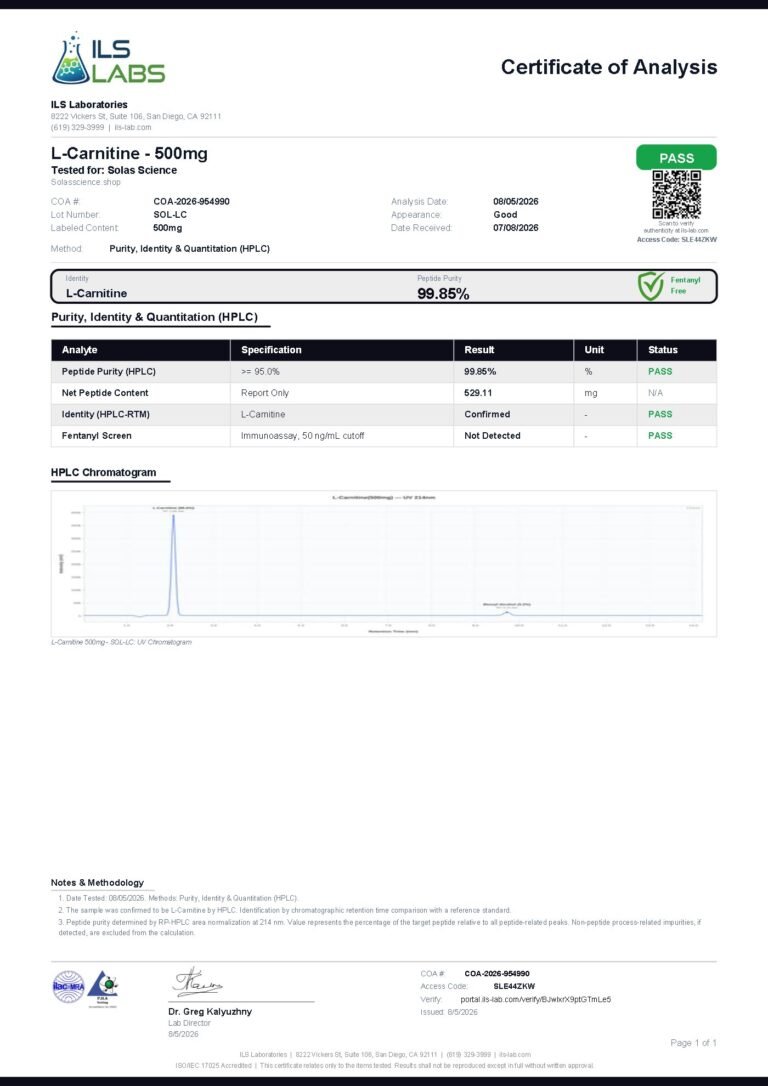
Review available batch-specific identity and purity testing, ingredient information, and the certificate of analysis (COA), if provided. Documentation should match the exact product and batch.

 L-Carnitine