Frequently Asked Questions
What is acetic acid?
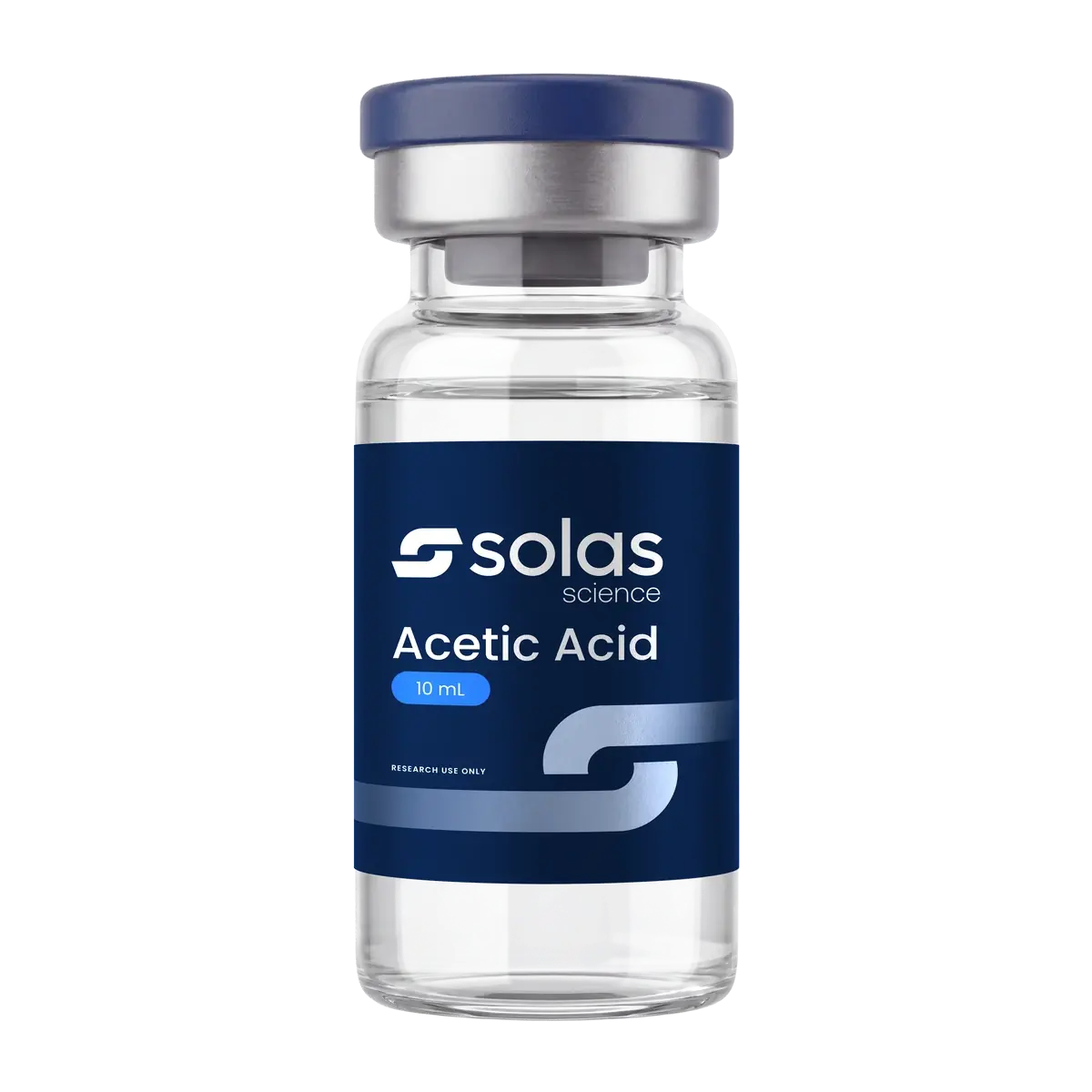
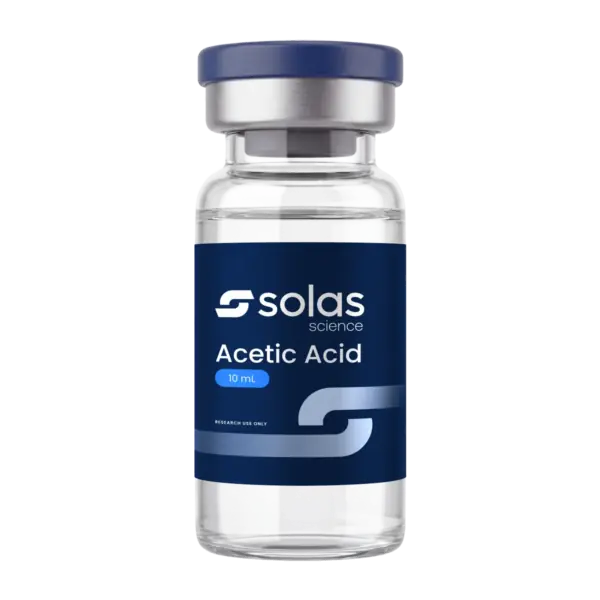
Acetic acid is an organic compound with the chemical formula CH₃COOH. It is also known as ethanoic acid and has a characteristic vinegar-like odor.
What is acetic acid used for in research?
Acetic acid is used in various laboratory procedures, chemical analysis, and chemical preparation. Its suitability depends on the research method, concentration, and required grade.
What is the chemical formula of acetic acid?
The chemical formula of acetic acid is CH₃COOH, and its molecular weight is approximately 60.05 g/mol.
What is the difference between acetic acid and glacial acetic acid?
Acetic acid refers to the compound in general, while glacial acetic acid refers to a highly concentrated form. Glacial acetic acid is corrosive and requires appropriate laboratory precautions.
What concentration of acetic acid is used in laboratory research?
The concentration varies according to the laboratory application and validated procedure. Researchers should verify the concentration on the product label and follow the relevant protocol.
Can acetic acid be used as a laboratory solvent?
Acetic acid can serve as a solvent or reagent in certain laboratory applications. Its suitability depends on the compound being studied and the specific experimental method.
What is the role of acetic acid in peptide research?
Acetic acid may be investigated as a solvent or pH-adjusting reagent in certain peptide-related laboratory procedures. Compatibility varies by peptide and formulation, so a validated research protocol is essential.
Is acetic acid the same as vinegar?
No. Vinegar is a diluted aqueous solution containing acetic acid and other components. Laboratory-grade or concentrated acetic acid should not be treated as interchangeable with household vinegar.
What is the difference between acetic acid and hydrochloric acid?
Both are acids, but they differ in chemical structure and behavior. Acetic acid is a weak organic acid, while hydrochloric acid is a strong mineral acid. Their laboratory uses are not interchangeable.
What are the safety risks of acetic acid?
The risks depend on concentration. Concentrated acetic acid can cause serious skin and eye burns, and its vapors can irritate the respiratory tract. Consult the product-specific safety data sheet before handling.
How should acetic acid be stored?
Follow the manufacturer’s storage instructions and safety data sheet. Storage requirements depend on concentration and packaging; concentrated material should be kept in a compatible, tightly closed container away from incompatible substances and ignition sources.
What is the difference between laboratory-grade and food-grade acetic acid?
The grades are intended for different applications and may have different specifications and impurity limits. Food-grade status does not automatically make a product suitable for laboratory experiments or medical applications.
What is a certificate of analysis for acetic acid?
A certificate of analysis (COA) may document a batch’s identity, concentration or assay, and relevant impurity results. Check the actual report to confirm which properties were tested.
How can acetic acid product quality be evaluated?
Review the product label, stated concentration, grade, batch number, safety data sheet, and available analytical documentation. Do not assume a particular purity or concentration without supporting evidence.
Is research-grade acetic acid suitable for human use?
A product marketed for research should not be assumed suitable for consumption, injection, or other human use. Follow the product’s stated intended use and applicable safety requirements.