Reconstitution Calculator
Calculate syringe units with confidence
Enter vial strength, water, and target dose — see units, microliters, and concentration instantly.
01
Peptide in vial
Start with the total peptide amount printed on the vial label.
Vial strength
mg
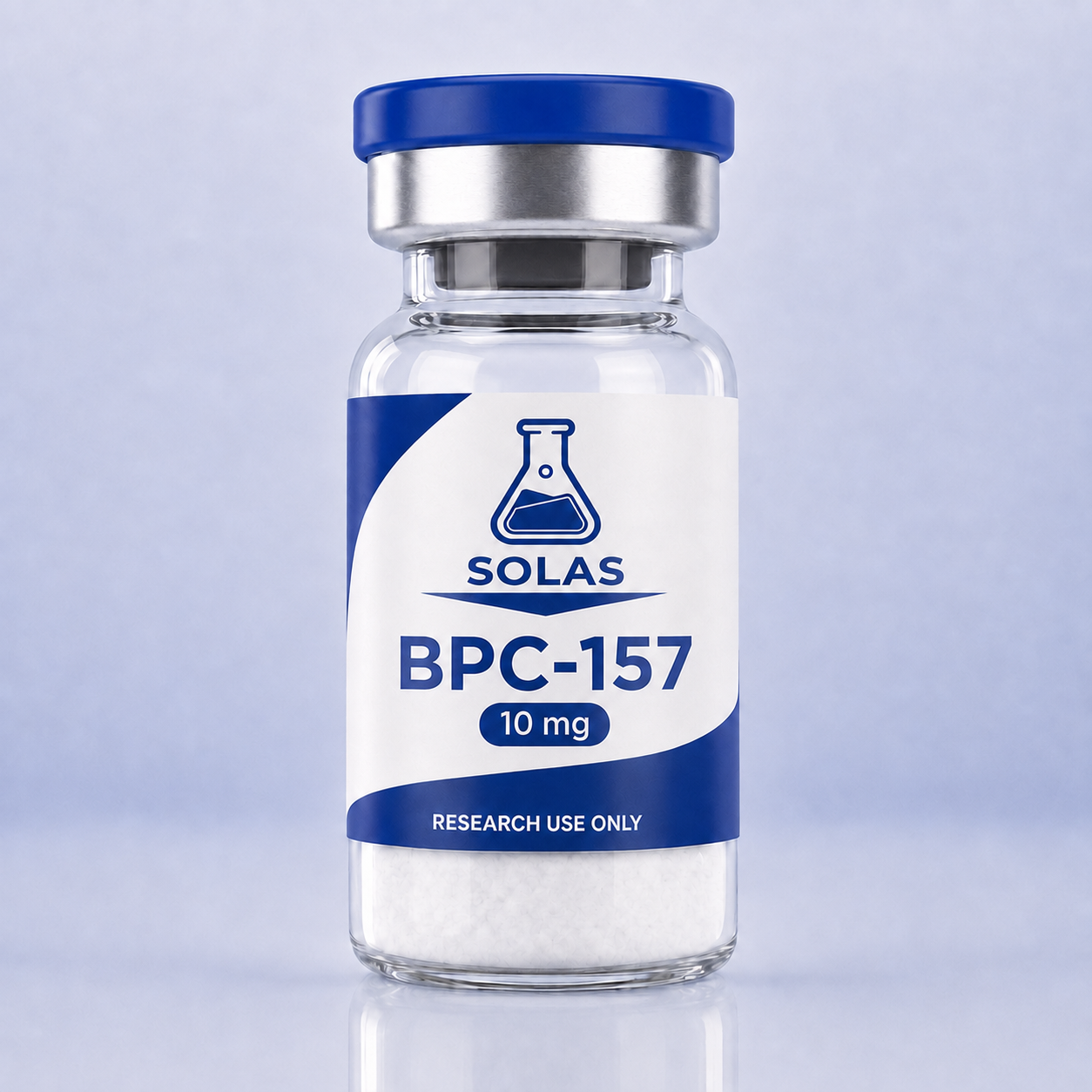
Common: BPC-157 (10 mg), Retatrutide (5–10 mg), NAD+ (500 mg)
02
Bacteriostatic water
Set how much water you used to reconstitute the vial.
Water added
mL
Typical: 2–3 mL for most peptides, 5 mL for larger vials.
03
Desired dose
Leave this blank if you just want concentration and quick examples first.
Target dose
Leave blank to see quick dose examples.
Your Results
Doses per vial
20
Concentration
3.33
mg / mL
Draw syringe to
15
150 µL per dose
Syringe draw — 0 to 100 units
0255075100
Draw to 15 units (150 µL)
Frequently asked questions
Common questions about peptide reconstitution and syringe dosing.
How does the reconstitution calculator work?
It divides the vial strength (mg) by the bacteriostatic water added (mL) to determine the concentration in mg/mL. Your target dose is then divided by that concentration to give the volume per dose in mL, which is converted to syringe units (1 mL = 100 units on a standard U-100 insulin syringe).
What syringe does this calculator assume?
A standard U-100 insulin syringe, where 100 units equals 1 mL. Each unit therefore equals 10 microliters (µL).
How much bacteriostatic water should I add?
2–3 mL is typical for most peptides; 5 mL is common for larger vials such as NAD+. More water lowers the concentration and makes small doses easier to measure accurately.
How do I convert mg to mcg for my dose?
1 mg equals 1,000 mcg. Toggle the MG / MCG switch on step 3 to enter the dose in whichever unit your protocol uses.
For research purposes only. Solas Science does not provide medical advice. Always verify calculations independently before use.